



 Who We Are
 Coverage Area
 Donate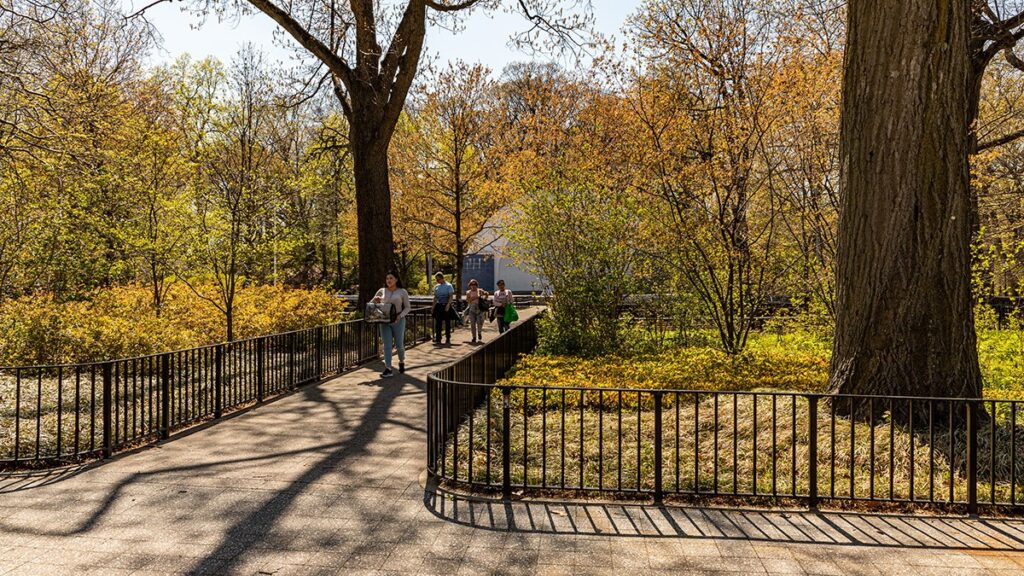
Auto Wrecker in Forest Park, Queens, New York City.
- We pay top dollar for all makes and models.
- Get the best price for your vehicle.
- We are the establishment who buys junk cars near me.
- We mostly schedule same day pickups.
- Free towing on all our purchases.
- Highly reviewed customer service staff.
- We have paid anywhere from $500 to $50,000 cash for vehicles.
- Call us for an instant quote.
- We have been recognized as one of the best places that buy junk automobiles.
- Our removal service is one of the highest rated in the city.
- No title, no problem. Call us we will get rid of your jalopy for good.
Forest Park, located in the borough of Queens, New York City, is one of the largest parks in the area, offering a natural oasis amid the urban landscape. Spanning over 538 acres, this park provides a mix of natural terrains and well-appointed facilities, making it a popular destination for both recreation and relaxation.
History
Forest Park, located in the borough of Queens, New York City, is a historic and expansive green space that serves as an essential recreational and cultural resource for the surrounding communities, including Kew Gardens, Richmond Hill, Woodhaven, Forest Hills, and Glendale. Here is an overview of the park’s history, highlighting its development and significance:
Origins and Development
The park area was inhabited by the Rockaway, Lenape, and Delaware tribes until the Dutch West India Company settled in the area in 1635. They established several towns that were later chartered and incorporated into the independent city of Brooklyn in 1834.
The Forest Park site was occupied by various private owners until the late 19th century. As part of the broader movement to establish green spaces in all boroughs of New York City, in 1892, the New York State Legislature authorized an initiative by Brooklyn officials to establish a large public park. The Brooklyn Parks Department purchased the first parcel of what was called Brooklyn Forest Park on August 9, 1895, and additional acquisitions continued until 1898.
Noted landscape architect Frederick Law Olmsted, who also co-designed Central Park in Manhattan and Prospect Park in Brooklyn, was initially involved in the planning. Although his plans were not fully implemented, the park was designed to preserve the rugged terrain and forested landscapes characteristic of the area.
The park and Forest Park Drive were designed by the firm Olmsted, Olmsted and Elliot. From its inception, the Park was administered by the Brooklyn Parks Department, which also administered all parks in Queens until an independent Queens Parks Department was established in 1911.
The Park’s Landscape and Features
Spanning approximately 538 acres, Forest Park is the third largest park in Queens. It features a natural forest, steep hills, and meandering trails, making it unique among New York City’s more manicured parks. The park’s high ground provides some of the most striking views of the surrounding areas.
The Forest Park Golf Course, added in the early 20th century, is a popular feature of the park, drawing golf enthusiasts from across the city.
Over the years, Forest Park has been developed to include a variety of recreational facilities, including playgrounds, sports fields, a bandshell for concerts, picnic areas, and a carousel. The park also features the George Seuffert, Sr. Bandshell, which hosts concerts and other events during the warmer months.
Conservation and Ecology
Forest Park lives up to its name with extensive wooded areas that include a mix of native and introduced tree species. It plays a vital role in local ecology and urban wildlife habitat.
The park is used for environmental education programs aimed at teaching the community and especially young people about nature conservation and the importance of green spaces.
Cultural and Historical Significance
- Historic Carousel: The Forest Park Carousel, crafted in 1903 by Daniel Carl Muller, is a designated New York City landmark and is one of the few remaining carousels that feature his hand-carved figures.
- WWI Memorial: Forest Park is home to the “Doughboy” statue, a memorial to the soldiers who died in World War I, reflecting the community’s respect and remembrance for its veterans.
Modern Day
Today, Forest Park serves as a vital green oasis for the densely populated communities of central and southern Queens. It provides a much-needed escape from urban life with its vast areas for relaxation and recreation.
Boundaries
Forest Park, one of the largest parks in Queens, New York City, is bordered by several neighborhoods, providing a natural escape for many residents of central and southern Queens. Here are the boundaries that define Forest Park:
- Northern Boundary: The northern boundary is marked by Myrtle Avenue and Union Turnpike. These major thoroughfares divides Forest Park from the neighborhoods of Glendale and Forest Hills to the north.
- Southern Boundary: The southern edge of Forest Park is defined by Park Lane South. This street runs along the southern side of the park, separating it from the residential neighborhoods of Woodhaven and Richmond Hill.
- Eastern Boundary: To the east, Forest Park is bounded by Park Lane South and Park Lane North. These streets runs along the eastern side of the park, separating it from the residential neighborhood of Kew Gardens.
- Western Boundary: The western edge of the park extends approximately to Forest Park Drive. This boundary separates the park from the neighborhood of Glendale to the west.
Scenic Beauty
Forest Park, located in Queens, New York City, is renowned for its scenic beauty, characterized by a diverse landscape that includes expansive woodland, rolling hills, and well-maintained recreational areas. This park offers a natural oasis amidst the urban environment, providing picturesque views and peaceful retreats for city dwellers. Here’s an overview of the scenic beauty found in Forest Park:
Diverse Natural Landscapes
- Forested Areas: Forest Park is one of the most extensively wooded areas in Queens, featuring a mix of native oak, hickory, and other hardwood trees. The dense forest canopy creates a serene and secluded environment, ideal for nature lovers and those seeking tranquility.
- Meadows and Fields: Interspersed with the wooded areas are open meadows and fields that provide scenic vistas and spaces for picnics and casual sports. These open areas are especially beautiful during the spring and summer months when they are lush and green.
Strack Pond
Located within the park, Strack Pond is a restored natural pond surrounded by trees and grassy areas. It offers a peaceful setting for reflection and is a favorite spot for photographers and nature watchers.
Recreational Trails
- Walking and Jogging Paths: The park features several miles of paved paths and rugged trails that meander through its varied terrain. These trails offer scenic routes for walkers, joggers, and cyclists, with the changing seasons adding different elements to the landscape’s beauty.
- Bridle Paths: Equestrian enthusiasts can enjoy the scenic bridle paths that run through the park, offering a unique way to experience its natural beauty from horseback.
Recreational Facilities
- Forest Park Golf Course: The park’s golf course is not only a popular recreational facility but also contributes to the scenic landscape with its well-kept fairways and greens set against a backdrop of trees.
- George Seuffert, Sr. Bandshell: This outdoor amphitheater is surrounded by natural beauty and is used for concerts and performances, making it a picturesque venue for cultural events.
Historical and Architectural Elements
- Victory Field: One of the park’s prominent features, Victory Field offers athletic fields and tracks surrounded by natural landscapes, providing both recreational opportunities and scenic views.
- Forest Park Carousel: This historic carousel, a designated New York City landmark, adds a whimsical and artistic touch to the park. The beautifully carved and painted horses are nestled among the trees, making it a picturesque spot for families.
Seasonal Beauty
- Autumn: The park is particularly striking in the fall when the foliage transforms into vibrant shades of red, orange, and yellow, creating a stunning display of colors.
- Winter: Snowfall transforms the park into a tranquil winter wonderland, highlighting the stark beauty of its trees and landscapes against the snow-covered ground.
Recreactional Activities
Forest Park provides a diverse array of facilities and natural landscapes, making it a popular destination for both passive and active recreation. Here’s an overview of the recreational activities available in Forest Park:
Outdoor Sports and Activities
- Golfing: Forest Park features an 18-hole golf course that is well-regarded among local golf enthusiasts. The course offers a challenging layout with scenic views, making it a favorite for both casual and serious golfers.
- Tennis and Handball Courts: The park has several tennis and handball courts that are available on a first-come, first-served basis, providing excellent facilities for racket sports enthusiasts.
- Athletic Fields: Victory Field, located within the park, is a major athletic complex that includes a running track, football fields, baseball diamonds, and soccer fields. It hosts various sports leagues and school teams, serving as a hub for community sports.
- Horseback Riding: The park’s bridle paths are popular with equestrian enthusiasts. These paths wind through the park’s wooded areas, offering a unique way to experience its natural beauty.
Walking, Hiking, and Cycling
- Trails: Forest Park boasts an extensive network of trails that are ideal for walking, jogging, and cycling. These trails range from paved paths suitable for families with strollers to more rugged hiking trails that offer a bit of adventure.
- Scenic Views: The park’s varied terrain, including hills and forested areas, provides beautiful scenic views that make any walk, hike, or ride more enjoyable.
Nature and Wildlife
- Bird Watching: The diverse habitats in Forest Park make it an excellent location for bird watching. The park is home to a variety of bird species, which can be observed throughout the year.
- Nature Programs: The park often hosts educational nature programs and guided walks, which are conducted by park rangers. These programs are designed to educate visitors about the local flora and fauna and the ecological importance of urban parks.
Playgrounds and Picnic Areas
- Children’s Playgrounds: Several well-equipped playgrounds are located throughout the park, providing safe and fun play areas for children.
- Picnic Areas: Forest Park has numerous picnic areas where families and groups can enjoy outdoor meals. These areas are equipped with picnic tables and in some cases, barbecue facilities.
Cultural and Community Events
- Concerts and Performances: The George Seuffert, Sr. Bandshell hosts a variety of outdoor concerts and performances during the warmer months, ranging from classical music to modern pop acts.
- Festivals and Fairs: The park is a frequent site for community festivals and fairs, which include activities like craft sales, food vendors, and cultural displays.
Seasonal Activities
- Winter Sports: During the winter, some of the park’s hills are popular spots for sledding, providing a fun and active way to enjoy the snowy season.
Local Economy and Major Trading Areas
Forest Park is primarily a large municipal park serving as a recreational and green space rather than a commercial hub. As such, the park itself doesn’t directly contribute to the local economy through commercial activities. However, the presence of Forest Park significantly influences the surrounding neighborhoods, indirectly impacting the local economy and nearby major trading areas. Here’s how Forest Park plays a role in the economic landscape of the adjacent areas:
Impact on Property Values
The proximity to Forest Park increases the desirability of surrounding neighborhoods such as Kew Gardens, Woodhaven, Richmond Hill, and Forest Hills. Properties near large parks are often more valuable because residents value access to green space, which contributes to higher property values and rent premiums in these areas.
Recreational and Cultural Economy
- Tourism and Local Spending: Forest Park attracts visitors not just from the immediate surrounding neighborhoods but from all over Queens and other parts of New York City. Events like concerts, festivals, and sports tournaments held in the park draw significant crowds, which in turn patronize local businesses such as restaurants, cafes, and retail stores.
- Recreational Services: The park offers numerous amenities, including a golf course, sports fields, and horseback riding trails, which generate economic activity through facility rentals and associated services.
Nearby Commercial Areas
- Myrtle Avenue: Running along the northern boundary of Forest Park, Myrtle Avenue features a variety of shops, eateries, and services that cater to both locals and park visitors. This strip serves as a commercial hub for the neighborhoods of Glendale and Ridgewood.
- Jamaica Avenue: To the south of Forest Park, Jamaica Avenue offers another significant trading area with a diverse array of shopping and dining options. This avenue serves the residents of Woodhaven and Richmond Hill.
- Metropolitan Avenue: Serving as a major east-west thoroughfare close to the park, Metropolitan Avenue hosts various businesses that benefit from the proximity to Forest Park, including restaurants, bars, and small retail stores.
Business Development and Employment
- Local Employment: Businesses in these areas employ many local residents, providing jobs in sectors such as retail, hospitality, and services. The health of these businesses often depends on the foot traffic and attractiveness of nearby amenities, including those offered by Forest Park.
- Cultural and Community Centers: Various community centers and cultural institutions around Forest Park offer educational programs, exhibitions, and community events that contribute to the local cultural economy and provide employment opportunities.
Outdoor and Seasonal Markets
Seasonal markets sometimes pop up around Forest Park, especially during events and festivals. These markets support local artisans, farmers, and food producers, stimulating local economic activity.
Main Communication Routes and Public Transportation
Forest Park, located in Queens, New York City, is well-served by a variety of main communication routes and public transportation options, making it accessible for both residents of adjacent neighborhoods and visitors from further afield. Here’s an overview of the transportation infrastructure around Forest Park:
Main Roads and Highways
- Woodhaven Boulevard: Running along the western edge of Forest Park, Woodhaven Boulevard is one of the major north-south routes in Queens. It connects to the Jackie Robinson Parkway, providing access to Brooklyn and other parts of Queens.
- Myrtle Avenue: This important east-west corridor connects the neighborhoods of Glendale and Ridgewood to Richmond Hill and beyond, serving as a vital commercial and transit route.
- Union Turnpike: Skirting the northern edge of the park, Union Turnpike offers another key east-west route, linking Forest Park with Kew Gardens and with areas beyond to the east such as Hollis Hills and Floral Park.
- Metropolitan Avenue: Located near the noreast part of the park, Metropolitan Avenue provides additional east-west access, connecting with neighborhoods such as Middle Village and Forest Hills.
Public Transportation
Subway Access: While there are no subway stations directly inside the park, several stations are accessible within a short distance. The closest subway stations include:
- Woodhaven Boulevard Station (M, R lines): Located northwest of the park, this station provides access to Manhattan and other parts of Queens.
- Kew Gardens-Union Turnpike Station (E, F lines): Situated northeast of the park, it offers efficient connections to Manhattan and is a major hub in central Queens.
Bus Routes: Numerous bus lines serve the areas around Forest Park, enhancing its accessibility. Some of the key bus routes include:
- Q11 and Q21 buses: These routes run along Woodhaven Boulevard, providing north-south transit between the Rockaways and Elmhurst.
- Q23 bus: This bus connects Forest Hills to East Elmhurst, passing near the northern parts of the park.
- Q54 and Q55 buses: Both routes travel along Metropolitan Avenue, facilitating east-west travel adjacent to the noreast part of the park.
- QM15 bus: An express bus service that runs along Woodhaven and Cross Bay Boulevards, offering a quicker connection to Manhattan.
Cycling and Walking Paths
Forest Park is a friendly area for cyclists and pedestrians, featuring several paths that wind through and around the park. These trails are popular for both recreational riding and commuting by local residents.
Crime
Forest Park generally enjoys a reputation as a safe urban park, but like any public space in a large city, it experiences some crime-related challenges. Here’s an overview of the crime situation in and around Forest Park:
Types of Crime
- Property Crimes: The most common crimes in and around Forest Park tend to be property-related, such as theft from vehicles, especially in parking areas adjacent to the park. Occasionally, there may be reports of vandalism or burglary, particularly in the less frequented areas of the park or during off-peak hours.
- Personal Safety Concerns: Instances of muggings or assaults are relatively rare but can occur, particularly if the park is accessed during late hours. Park visitors are advised to stay in well-trafficked areas and avoid secluded parts of the park after dark.
- Recreational Equipment: Theft of bicycles or other recreational equipment left unattended can sometimes be a concern, emphasizing the need for proper security measures like using locks and not leaving personal items unattended.
Policing and Security Measures
- NYPD Patrols: The New York City Police Department regularly patrols the park, including mounted police units which are not only effective for navigating the park’s varied terrain but also serve as a visible deterrent to criminal activity.
- Community Policing: There are efforts from local precincts to engage in community policing, which includes outreach to park users and the surrounding community to raise awareness about safety precautions and crime prevention.
- Security Cameras and Emergency Phones: Some areas around Forest Park are equipped with security cameras and emergency phone stations to enhance safety and ensure that park visitors can quickly report any incidents.
Preventive Measures and Safety Tips
- Visibility and Lighting: Forest Park has made efforts to improve lighting along paths and in parking areas to enhance safety during the early morning and evening hours.
- Community Awareness Programs: Local community groups and the parks department sometimes host safety awareness programs to educate visitors on how to protect themselves and their belongings while enjoying the park.
- Park Rangers and Staff: Park rangers and maintenance staff not only take care of the park but also provide an additional layer of oversight and reporting concerning any suspicious activities.
Local Community Involvement
- Neighborhood Watch Groups: Surrounding neighborhoods like Kew Gardens, Woodhaven, and Richmond Hill have active neighborhood watch groups that coordinate with local law enforcement to monitor and report suspicious activities in and around the park.
- Public Meetings and Forums: Regular meetings between police representatives and community members help address concerns about park safety and discuss measures to reduce crime.
Amenities
As one of the largest parks in Queens, Forest Park provides diverse facilities suited for recreation, relaxation, and community gatherings. Here’s a detailed overview of the amenities available in Forest Park:
Recreational Facilities
- Forest Park Golf Course: This 110-acre, 18-hole golf course is a highlight for golf enthusiasts, offering a challenging layout amidst scenic, rolling hills.
- Tennis Courts and Sports Fields: The park features multiple tennis courts, baseball fields, and soccer fields, accommodating a variety of sports and recreational activities.
- Victory Field: One of the park’s major sports complexes, Victory Field includes a running track, football field, baseball diamonds, and handball courts, making it a hub for local sports teams and individual fitness enthusiasts.
Trails and Paths
- Walking and Jogging Paths: Forest Park boasts several miles of paved paths ideal for walking, jogging, and cycling. These paths wind through the park’s wooded areas and open fields, providing a peaceful escape from urban life.
- Horseback Riding Trails: The park includes designated bridle paths for equestrian activities, offering a unique way for horse lovers to enjoy the park’s natural beauty.
Nature and Wildlife
- Strack Pond: Renovated to enhance its natural habitat, Strack Pond is a popular spot for bird watching and enjoying tranquil water views.
- Forested Areas: The park’s extensive forested areas are home to a variety of wildlife and native plants, making it an excellent location for nature walks and environmental education.
Playgrounds and Picnic Areas
- Children’s Playgrounds: Equipped with modern and safe playground equipment, the park’s several playgrounds are favorite spots for families with children.
- Picnic Areas: There are numerous picnic areas throughout the park, many of which include barbecue facilities. These areas are perfect for family gatherings, picnics, and social events.
Cultural and Entertainment Venues
- George Seuffert, Sr. Bandshell: This outdoor amphitheater hosts concerts, plays, and other performances throughout the summer, drawing crowds for live entertainment in a picturesque setting.
- Forest Park Carousel: A historic and beautifully crafted merry-go-round, the Forest Park Carousel is a cherished landmark that delights both children and adults.
Facilities and Services
- Restrooms and Comfort Stations: Strategically located throughout the park, these facilities ensure comfort and convenience for all park visitors.
- Dog-Friendly Areas: While dogs must be leashed in most areas of the park, there are designated spots where dogs can play and interact more freely.
Accessibility
- ADA Accessible Features: The park strives to be accessible to all, with ADA-compliant paths and facilities to accommodate visitors with disabilities.
Comunity Engagement
Here’s an overview of how community engagement manifests in Forest Park:
Volunteer Initiatives
- Forest Park Trust and Friends of Forest Park: These organizations are crucial in mobilizing volunteers for various park improvement projects. Volunteers participate in tree plantings, clean-up days, and other conservation efforts that help maintain and enhance the park’s natural environments.
- Community Gardening: The park hosts gardening events that not only beautify the space but also bring community members together to share in the joy and labor of gardening.
Recreational Programs and Sports Leagues
- Sports Tournaments: Forest Park’s fields and courts are venues for local sports leagues, including soccer, baseball, and tennis, which attract participants of all ages. These leagues promote physical activity and team spirit within the community.
- Fitness Classes: Outdoor fitness programs such as yoga, Tai Chi, and aerobics are held in the park, providing health benefits and a chance for residents to meet and interact in a positive setting.
Cultural Events and Festivals
- Concerts at the Bandshell: The George Seuffert, Sr. Bandshell hosts a summer concert series featuring a variety of music genres. These concerts are popular gathering spots and provide free entertainment that enriches the community’s cultural life.
- Seasonal Festivals: The park is a focal point for seasonal celebrations, such as fall festivals, spring fairs, and holiday events, which include activities like pumpkin carving, Easter egg hunts, and winter lights displays.
Educational and Environmental Activities
- Nature Walks and Bird Watching Tours: Organized by local environmental groups, these tours educate participants about local flora and fauna and encourage conservation awareness.
- Workshops and Classes: The park often hosts educational workshops on topics ranging from wildlife photography to environmental sustainability, fostering a well-informed community.
Public Meetings and Advocacy
- Community Meetings: Regular meetings are held by park officials and community leaders to discuss park management, upcoming projects, and community concerns. These meetings are open to the public and offer a platform for residents to voice their opinions and suggestions.
- Advocacy Groups: Community members sometimes band together to advocate for improvements or new facilities in the park, demonstrating active civic engagement.
Family and Youth Engagement
- Playgrounds and Picnic Areas: These facilities are hubs of family activity, especially on weekends and holidays. They provide safe and enjoyable environments for children and family gatherings.
- Youth Programs: The park offers various programs aimed at engaging local youth, including sports, arts and crafts, and educational outings, which help foster a sense of community and belonging among younger residents.
Cultural Offering
Forest Park, Queens, New York City, serves as a cultural hub for the surrounding communities, offering a variety of cultural programs and events that enrich the local area. This large urban park provides a scenic backdrop for numerous activities that celebrate the arts, heritage, and community spirit. Here’s a look at the cultural offerings available in Forest Park:
George Seuffert, Sr. Bandshell
This outdoor amphitheater is a central venue for cultural events in Forest Park. Throughout the spring and summer months, the bandshell hosts a diverse array of performances, including concerts featuring classical, jazz, rock, and folk music. It also serves as a stage for local theater productions and dance performances, providing entertainment for all age groups and interests.
Forest Park Carousel
The historic Forest Park Carousel, a designated New York City landmark, not only offers nostalgic rides but also hosts family-friendly events and activities. This beautifully crafted carousel is used for storytelling sessions, children’s parties, and community celebrations, adding a whimsical cultural element to the park.
Art and Craft Shows
Forest Park occasionally hosts art and craft fairs, where local artists and craftspeople display and sell their work. These events promote local talent and provide visitors with a unique opportunity to purchase handmade goods ranging from jewelry and ceramics to fine art and home decor.
Festivals and Community Celebrations
The park is a venue for various cultural and seasonal festivals, which may include activities like live music, food tastings, and workshops. These events celebrate the cultural diversity of Queens and often feature elements from different ethnic communities, such as Latin American, Caribbean, Asian, and European traditions.
Seasonal celebrations like Halloween events, winter holiday markets, and spring festivals draw large crowds and foster community spirit.
Educational Programs and Workshops
Forest Park hosts educational programs that focus on the history and ecology of the park and the surrounding areas. These programs are designed to raise awareness about local wildlife, plant species, and conservation efforts.
Recreational Learning
Guided nature walks and historical tours are offered, providing insights into the park’s natural landscapes and historical sites. These tours not only educate participants about the environment and history but also highlight the park’s role in the cultural fabric of Queens.
Film Screenings
Outdoor movie nights are popular events in Forest Park, especially during the summer. These screenings feature a variety of films, from family-friendly movies to classic cinema, allowing residents to enjoy films in a unique outdoor setting.
Music and Dance Classes
Occasionally, the park offers classes in music and dance, reflecting the diverse cultural heritage of its visitors. These classes might include instruction in styles specific to certain cultures, enhancing the multicultural experience of attendees.
Holidays, Cultural Festivals and Fairs
Forest Park in Queens, New York City, serves as a significant venue for holidays, cultural festivals and fairs, enriching the community life of the diverse neighborhoods surrounding it. Here’s an overview of some of the cultural festivals and fairs typically hosted in Forest Park:
Easter
Forest Park often hosts Easter egg hunts for children, creating a fun and festive environment. These events usually feature activities such as face painting, games, and photo opportunities with the Easter Bunny, making them popular family outings.
Fourth of July
While there might not be official fireworks within the park, many families and groups use the open spaces in Forest Park for picnics and barbecues during the Fourth of July. The park’s ample green spaces are ideal for enjoying a day outdoors in celebration of Independence Day.
Halloween
Forest Park sometimes organizes Halloween events, which include pumpkin patches, costume contests, and crafts for kids. These activities provide a safe and exciting way for families to celebrate the holiday amid the park’s scenic backdrop.
The park may also host haunted walks around Halloween, transforming some of its trails into spooky settings that offer thrilling experiences for older children and adults.
Thanksgiving
Forest Park is a common location for ‘Turkey Trot’ races on or around Thanksgiving Day. These events typically involve short-distance runs or walks, which are great for burning off those pre-Thanksgiving meal calories and fostering community spirit.
Music and Art Festivals
- Forest Park Summer Concert Series: Held at the George Seuffert, Sr. Bandshell, this concert series features performances from a diverse range of musical genres, reflecting the multicultural community of Queens. From classical music and jazz to rock and folk, these concerts are free and open to the public, offering a family-friendly environment.
- Art in the Park: Occasionally, Forest Park hosts art festivals that include local artists displaying their works. These events often feature live art demonstrations, workshops, and activities for children, making art accessible and engaging for the community.
Cultural Heritage Events
- Irish Festival: Celebrating Irish culture, this festival features traditional Irish music, dance performances, and food. It’s a day for wearing green and enjoying the rich history and festivities associated with Irish heritage.
- Latino Cultural Festival: This event celebrates Latin American cultures with a focus on music, dance, crafts, and traditional cuisines. It’s a vibrant, colorful event that highlights the contributions of Latino communities to New York City.
- Asian Festival: Showcasing the traditions, arts, and foods of various Asian cultures, this festival includes performances such as dragon dances, martial arts demonstrations, and traditional music.
Seasonal and Thematic Fairs
- Fall Festival: Celebrating the autumn season, the Fall Festival in Forest Park might include pumpkin carving contests, hayrides, apple cider tasting, and craft booths, making it a perfect family outing as the leaves change color.
- Spring Nature Fest: Focusing on environmental education and the beauty of nature in spring, this event can include guided nature walks, bird watching tours, and educational booths about conservation and local wildlife.
Community and Health Fairs
- Health and Wellness Fair: These fairs provide valuable health information, free screenings, and wellness activities aimed at improving the health of the community. They often feature participation from local hospitals, clinics, and health organizations.
- Community Day: Designed to strengthen community bonds, this type of fair might feature local vendors, information booths from community organizations, and activities that encourage neighbors to connect with one another.
Special Interest Events
- Vintage Car Show: For automotive enthusiasts, the park occasionally hosts vintage car shows where collectors and admirers can view classic cars up close, enjoy nostalgic music, and participate in themed activities.
Restaurants
Forest Park itself is a large municipal park located in Queens, New York City, and does not contain restaurants within its boundaries, as it is primarily dedicated to recreational and natural spaces. However, the neighborhoods surrounding Forest Park, including Kew Gardens, Richmond Hill, Woodhaven, and Glendale, offer a variety of dining options that cater to the diverse tastes of the local population. Here’s an overview of some popular restaurants near Forest Park:
In Kew Gardens
- Dani’s House of Pizza: Renowned for its savory, thin-crust pizzas with a unique sweet sauce, Dani’s is a local favorite and a must-visit for pizza lovers.
- Austin’s Ale House: A classic American pub that offers a wide range of beers, hearty pub food, and sports viewing, making it a popular spot for casual dining.
In Woodhaven
- Neir’s Tavern: One of America’s oldest bars and a historic landmark, Neir’s Tavern offers a cozy ambiance with traditional American fare, craft beers, and occasional live music.
- Pop’s Cocina & Bar: A vibrant spot offering a fusion of traditional American dishes with Latin flavors, known for its lively atmosphere and creative cocktails.
In Richmond Hill
- The Nest Restaurant & Bar: Specializing in Guyanese and Caribbean cuisine, The Nest serves up flavorful dishes like roti, curry, and jerk chicken, reflecting the neighborhood’s cultural diversity.
- Trinciti Roti Shop and Restaurant: A go-to for authentic Trinidadian food, offering a variety of rotis, curries, and other Caribbean specialties.
In Glendale
- The Avenue Restaurant and Bar: A neighborhood gem that serves classic American dishes, from burgers and salads to steaks and seafood, in a friendly, welcoming setting.
- Cooper Beer Garden: Located near Atlas Park, this spot offers a selection of craft beers and pub snacks, ideal for a casual hangout with friends.
Cafés and Bakeries
- Kew & Willow Books: Located in Kew Gardens, this independent bookstore also has a café inside, where you can enjoy coffee, pastries, and light snacks while browsing through books.
- Rudy’s Bakery and Cafe: In nearby Ridgewood, Rudy’s offers a delightful array of baked goods, pastries, and coffees in a quaint, old-world setting.
Learn more about Ozone Park, the location of our dispatch center, by visiting Carmula.com
Contact us for a free quote
Fill out the form below, so we could give you an instant quote on the price of you unwanted car.