



 Who We Are
 Coverage Area
 Donate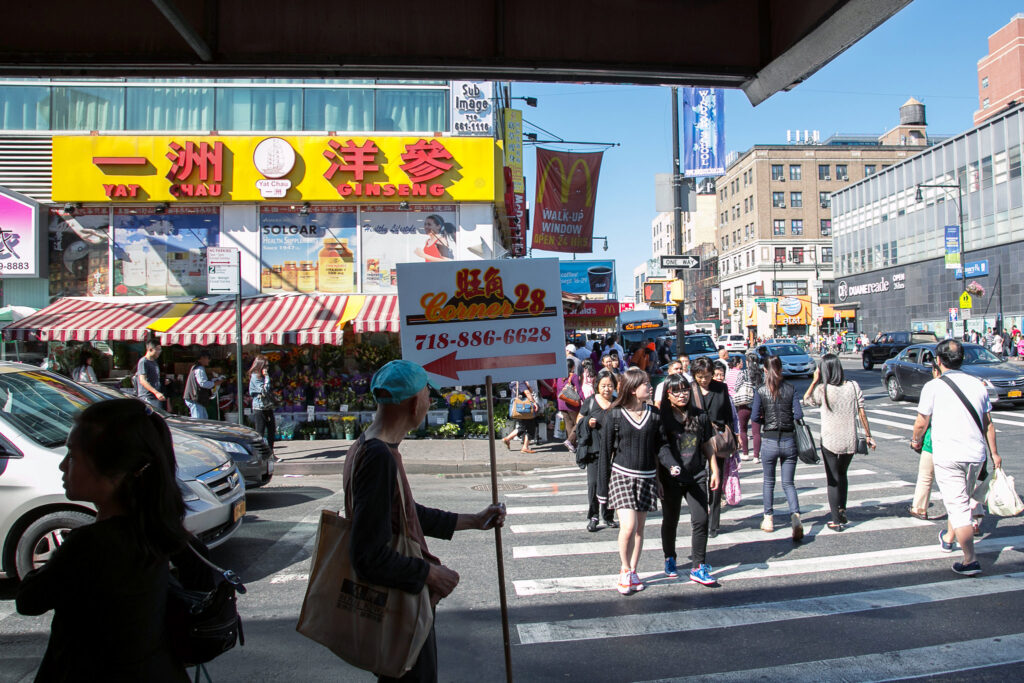
Auto Wrecker in Downtown Flushing, Queens, New York City.
- We pay top dollar for all makes and models.
- Get the best price for your vehicle.
- We are the establishment who buys junk cars near me.
- We mostly schedule same day pickups.
- Free towing on all our purchases.
- Highly reviewed customer service staff.
- We have paid anywhere from $500 to $50,000 cash for vehicles.
- Call us for an instant quote.
- We have been recognized as one of the best places that buy junk automobiles.
- Our removal service is one of the highest rated in the city.
- No title, no problem. Call us we will get rid of your jalopy for good.
Downtown Flushing, Queens, is one of New York City’s busiest and most dynamic neighborhoods, serving as a major commercial and cultural hub in the borough. Known for its vibrant streets, bustling marketplaces, and diverse population, Downtown Flushing presents a unique blend of modern development and rich history.
History
From its colonial roots to its present-day status as a vibrant urban center, Downtown Flushing has evolved significantly. Here is an overview of its historical progression:
Colonial Beginnings
Flushing was originally settled by Europeans in 1645 under Dutch colonial rule, and the area was named “Vlissingen” after a city in the Netherlands. Early settlers were attracted to the area due to its fertile soil and advantageous maritime location. One of Flushing’s defining historical moments came in 1657 with the Flushing Remonstrance, a petition for religious freedom that protested the Dutch colonial authorities’ persecution of Quakers. This document is considered a precursor to the U.S. Constitution’s provision on freedom of religion.
19th Century Expansion
Throughout the 19th century, Flushing continued to grow as a rural village, becoming known for its nurseries and horticultural industries. It became a part of Queens County and was connected to Manhattan via the Flushing Railroad in 1854, which greatly facilitated travel and trade. As the area urbanized, it attracted wealthy New Yorkers who built large homes and estates in the area, contributing to its reputation as a residential enclave.
Incorporation and Urbanization
In 1898, Flushing was incorporated into Greater New York City, which spurred further development and urbanization. The 20th century saw Flushing transform from a relatively quiet residential area into a bustling urban center, aided by the opening of the Flushing subway line in 1928, which connected it more directly to Manhattan.
Post-War Development and Immigration
The post-World War II era marked significant changes for Flushing, with increased housing developments replacing many of the old estates. During the latter half of the 20th century, Flushing experienced waves of immigration, initially from Europe and later from Asia. The arrival of Korean and Chinese immigrants in the 1970s and 1980s transformed Flushing into one of New York’s largest Asian enclaves. This demographic shift brought a new cultural and economic dynamism to the area, with Asian businesses and cultural institutions flourishing.
Modern Day Flushing
Today, Downtown Flushing is characterized by its incredible ethnic diversity, predominantly Asian, and is known for its vibrant commercial sector, including one of the largest clusters of Chinese businesses in the Western Hemisphere. The area features a bustling mix of shops, restaurants, and businesses that reflect its multicultural makeup. Significant development projects continue to transform its skyline and infrastructure, making it one of the fastest-growing areas in New York City.
Cultural and Economic Hub
Flushing’s Main Street and its surrounding areas are a major hub of activity and serve as an economic and cultural focal point not only for Queens but for the entire city. The neighborhood’s growth and diversity are celebrated in annual events, cultural festivals, and through the presence of institutions like the Queens Library’s Flushing branch, which is one of the busiest public libraries in New York City.
Boundaries
The neighborhood’s boundaries are not always precisely defined due to its expansive growth and urban density, but typically, Downtown Flushing can be characterized by the following general borders:
- Northern Boundary: Northern Boulevard serves as the northern limit of Downtown Flushing. This major thoroughfare is a vital commercial artery, connecting Flushing with other parts of Queens and beyond.
- Southern Boundary: Avery Avenue and Franklin Avenue serve as the southern boundary separating Downtown Flushing from the rest of Flushing and the East Flushing neighborhood.
- Eastern Boundary: The eastern boundary is less distinctly marked but generally extends to the vicinity of Parsons Boulevard.
- Western boundary: Downtown Flushing to the west is bordered by Flushing Creek and Flushing Meadows Corona Park.
- Core Area: The core of Downtown Flushing is centered around Main Street and Roosevelt Avenue, where the highest concentration of retail stores, restaurants, and businesses is located. This area is the most active part of Downtown Flushing, often considered the heart of the neighborhood due to its bustling pedestrian activity and dense commercial development.
Scenic Beauty
Downtown Flushing, Queens, may be best known for its bustling urban environment and cultural diversity, but it also features scenic beauty that contributes to its unique charm within New York City. Here are some of the scenic aspects of Downtown Flushing:
Flushing Meadows Corona Park
While not within the immediate boundaries of Downtown Flushing, this large park is close enough to significantly influence the area’s appeal. As one of Queens’ largest parks, Flushing Meadows Corona Park offers expansive green spaces, beautiful lakes, and iconic structures like the Unisphere and the New York State Pavilion. The park is a popular destination for recreational activities and provides a picturesque escape from the urban density of downtown.
Botanical Gardens and Historical Sites
- Queens Botanical Garden: Located just to the east of Downtown Flushing, this 39-acre oasis features themed gardens, bee hives, and an art gallery. The gardens provide a peaceful retreat with beautifully landscaped areas that showcase both native and exotic plants.
- Kingsland Homestead: Home to the Queens Historical Society, this preserved 18th-century farmhouse is nestled within Weeping Beech Park. The park and homestead offer a glimpse into the area’s past and are a charming spot for history enthusiasts and those looking for a quiet corner in the neighborhood.
Architectural Landmarks
- Flushing Town Hall: This historic building serves as a cultural focal point and is a visual highlight with its striking Romanesque Revival architecture. It hosts a variety of cultural performances and exhibitions that reflect the area’s diverse community.
- Historic Churches: Downtown Flushing is home to several architecturally significant churches, such as St. George’s Church, which add to the area’s aesthetic with their historic designs and tranquil surroundings.
Urban Landscapes and Street Scenes
- Main Street and Roosevelt Avenue: The bustling streets of Downtown Flushing are lined with a variety of shops, stands, and eateries. While urban in nature, these streets offer a vibrant atmosphere that can be visually stimulating. The neon signs, diverse storefronts, and constant flow of people provide a dynamic urban scene unique to Flushing.
Water Features
- Flushing Creek: Bordering the easthern part of Downtown Flushing, this creek flows into Flushing Bay and is surrounded by paths and green spaces that provide pleasant views and a break from the concrete surroundings.
Community Gardens
Several small community gardens are dotted around Flushing, where local residents cultivate flowers and vegetables, adding pockets of greenery and color to the urban landscape.
Recreactional Activities
Downtown Flushing, Queens, offers a vibrant mix of recreational activities that cater to its diverse and bustling community. Here’s a look at the variety of options available for both residents and visitors to engage in leisure and entertainment:
Flushing Meadows Corona Park
While just outside the immediate boundaries of Downtown Flushing, Flushing Meadows Corona Park is a central hub for recreation and is easily accessible from the neighborhood. This extensive park offers numerous facilities and activities:
- Sports Facilities: The park includes fields and courts for soccer, baseball, cricket, tennis, and more. It also hosts the USTA Billie Jean King National Tennis Center, which is the venue for the US Open.
- Boating and Fishing: Meadow Lake, the largest lake in New York City parks, offers opportunities for rowing and fishing.
- Cultural Institutions: The park houses the Queens Museum, the New York Hall of Science, and the Queens Theatre, offering a range of educational and cultural programming.
- Recreational Paths: There are extensive trails for walking, jogging, and cycling, making it a popular destination for fitness enthusiasts.
Queens Botanical Garden
Located near Downtown Flushing, the Queens Botanical Garden is a beautiful destination offering themed gardens, seasonal displays, and environmental education programs. It’s a perfect spot for leisurely walks, photography, and learning about plants and sustainability.
Sports and Fitness Centers
Downtown Flushing is home to several gyms and fitness centers that offer a variety of workout options, including yoga, martial arts, and general fitness classes. These facilities cater to the health-conscious residents of the area.
Shopping and Dining
- Shopping Centers: Flushing’s bustling commercial heart around Main Street is a dynamic area with a range of shops, including specialty stores featuring Asian goods and ingredients.
- Food Exploration: Downtown Flushing is renowned for its diverse culinary scene, particularly its Asian cuisine. Residents and visitors can enjoy everything from traditional Chinese dim sum to Korean BBQ and Southeast Asian street food, providing a recreational and cultural exploration through food.
Cultural and Community Events
- Flushing Town Hall: This historic site hosts a variety of cultural events, including live music performances, art exhibitions, and workshops that reflect the area’s multicultural community.
- Street Fairs and Festivals: Downtown Flushing often hosts street fairs, cultural festivals, and parades, particularly celebrating Asian holidays and traditions, which are vibrant and full of activities.
Educational and Artistic Activities
- Libraries and Community Centers: The local library offers programs for all ages, including language classes, reading clubs, and educational workshops.
- Art Classes and Workshops: Various venues offer art classes, craft workshops, and cultural education sessions that cater to the diverse interests of Flushing’s residents.
Nightlife and Entertainment
- Karaoke Bars and Lounges: The neighborhood has a lively nightlife scene, with several spots offering karaoke and live entertainment, popular among the younger crowd and office workers.
Local Economy and Major Trading Areas
As one of the busiest areas in Queens, Flushing’s economy is characterized by a thriving commercial sector, a strong real estate market, and a vibrant cultural and retail environment. Here’s an overview of the local economy and major trading areas:
Commercial and Retail Sector
- Main Street and Roosevelt Avenue: These streets form the commercial heart of Downtown Flushing and are among the busiest pedestrian thoroughfares in New York City. Lined with shops, malls, restaurants, and service businesses, this area serves as a major retail and trading hub. You’ll find a diverse array of businesses, from small family-run shops selling Asian goods and foods to larger retail chains.
- Flushing Commons and SkyView Center: These are two of the larger mixed-use developments in Flushing, offering retail, office, and residential spaces. SkyView Center is particularly notable as a shopping destination with major national retailers, while Flushing Commons integrates business and leisure facilities, contributing to the local economy.
- The New World Mall: Home to one of the largest indoor Asian food courts in the city, along with various other retailers, the New World Mall is a focal point for both locals and visitors, providing a significant boost to the local economy.
Real Estate Market
Flushing has a robust real estate market characterized by both residential and commercial developments. The area has seen significant growth in condominium and luxury apartment buildings, catering to an influx of new residents and investors. The demand for office space is also high, driven by the growth of local businesses and the entry of companies from Manhattan and international firms, particularly from Asia.
Food and Dining Sector
The food industry is a cornerstone of Flushing’s economy, with the neighborhood known for its authentic and diverse culinary offerings, especially Asian cuisine. Restaurants range from small eateries to larger dining establishments, contributing significantly to the local economy through food tourism and local dining.
Cultural and Tourism Sector
Flushing attracts a considerable number of tourists interested in exploring its cultural sites, such as the Flushing Quaker Meeting House, Flushing Town Hall, and the religious institutions that dot the neighborhood. The area’s cultural festivals and events also draw visitors, further stimulating the local economy.
Financial Services
The neighborhood hosts a dense network of financial service providers, including branches of major national and international banks, particularly Asian banks, which cater to the local population and businesses. These institutions play a crucial role in facilitating business transactions and personal finance management for the community.
Small Business Environment
Flushing supports a vibrant small business environment, with many businesses catering to the specific needs of the neighborhood’s diverse ethnic groups. These businesses include specialty grocery stores, traditional clothiers, and service providers such as language translators and international shipping companies.
Main Communication Routes and Public Transportation
Downtown Flushing, Queens, is a major transportation hub in New York City, making it one of the most accessible areas in Queens. The neighborhood is well-served by a variety of public transportation options and major roads, catering to a diverse and mobile population. Here’s an overview of the main communication routes and public transportation facilities in Downtown Flushing:
Major Roads and Highways
- Northern Boulevard: This major thoroughfare runs through Flushing and is an essential arterial road that connects the neighborhood to Long Island and other parts of Queens, facilitating both commercial and passenger traffic.
- Roosevelt Avenue: Another crucial street in Flushing, it runs parallel to Northern Boulevard and serves as a bustling commercial and cultural artery within the neighborhood.
- College Point Boulevard: This road provides access to the Whitestone Expressway (I-678), linking Flushing to the Bronx via the Whitestone Bridge and to JFK International Airport to the south.
- Interstate 678 (Van Wyck Expressway and Whitestone Expressway): These segments of I-678 are critical for reaching major travel hubs like LaGuardia and JFK airports and for connecting to other major highways in NYC.
Public Transportation
Subway: The Flushing – Main Street station, terminus of the 7 subway line, is a key component of Flushing’s public transport system. The 7 train provides direct access to Midtown Manhattan and connects with several other subway lines, facilitating easy movement across the city.
Buses: Downtown Flushing is a significant bus hub, with numerous local and express bus routes serving the area:
- The Q44 SBS (Select Bus Service): provides efficient service to the Bronx via Main Street and the Cross Bronx Expressway.
- Other important bus routes: include the Q12, Q13, Q15, Q17, Q19, Q20A, Q20B, Q25, Q27, Q28, Q34, Q48, and Q58, which connect Flushing to various parts of Queens, Brooklyn, and beyond.
Long Island Rail Road (LIRR): The Flushing-Main Street LIRR station offers commuter rail service on the Port Washington Branch, with trains running between Flushing and Penn Station in Manhattan, making it a convenient option for commuters.
Airports: While not directly in Flushing, the neighborhood’s proximity to LaGuardia Airport (about 15 minutes by car without traffic) and JFK International Airport (about 25 minutes by car) makes it an accessible area for international and domestic travelers.
Cycling and Pedestrian Paths
Flushing is also equipped with bike lanes and pedestrian paths, especially around major parks and along certain streets, which encourage non-motorized forms of transportation.
Demographic Data
Downtown Flushing, Queens, New York City, is a vibrant and diverse neighborhood characterized by a rich tapestry of cultural and ethnic backgrounds. Its demographic profile reflects a dynamic community that has seen significant changes over the decades, particularly with waves of immigration that have shaped its identity. Here’s an overview of the demographic data of Downtown Flushing:
Ethnic and Racial Composition
Downtown Flushing is predominantly Asian, particularly of Chinese and Korean descent. This shift occurred from the 1970s onwards, as the neighborhood became a major hub for Asian immigrants. Today, Flushing is one of the largest Asian communities outside of Asia and serves as a cultural and commercial center for this population in New York City. There are also smaller communities of Hispanics, South Asians, and Caucasians, contributing to the neighborhood’s diversity.
Population Density
Flushing is known for its high population density. The area is a bustling urban center with crowded streets and a busy commercial district. High-rise residential buildings, mixed-use developments, and multifamily homes are common, accommodating a growing population.
Age Distribution
The age distribution in Flushing is fairly broad, with a significant number of both young adults and an older population. The presence of senior centers and healthcare facilities, along with schools and youth programs, indicates a diverse age range. The community is dynamic, with families and singles contributing to a vibrant neighborhood life.
Income Levels
Income levels in Flushing vary widely. While there are pockets of affluence, especially among property owners and business entrepreneurs, there are also lower-income segments of the population, particularly among recent immigrants. This economic diversity affects the types of services and retail options available in the area.
Education Levels
Education levels among Flushing residents are generally high, with a significant portion of the population holding college degrees or higher. This is partly due to the value placed on education in many Asian cultures, as well as the availability of educational resources in the area.
Housing
Housing in Flushing ranges from older, smaller apartment buildings to newer, luxury high-rise complexes. The real estate market is robust, driven by continuous development and demand due to the neighborhood’s appeal as a cultural and economic center.
Language and Cultural Integration
A substantial number of Flushing residents are bilingual, with many speaking languages such as Mandarin, Korean, and other Asian languages alongside English. This multilingual environment contributes to the cultural richness of the neighborhood and is reflected in the educational offerings, signage, and media throughout the community.
Employment
Employment in Flushing is heavily influenced by the retail, service, and food sectors, with a growing number of professional services such as financial, legal, and medical offices. The neighborhood’s economy is dynamic, with a strong entrepreneurial spirit among its residents.
Crime
Downtown Flushing, Queens, generally maintains a reputation as a relatively safe neighborhood, especially when compared to other urban centers. However, like any densely populated area, it does experience its share of crime, influenced by factors such as high foot traffic and the bustling nature of its commercial district. Here’s an overview of crime in Downtown Flushing:
Types of Crime
- Petty Theft and Pickpocketing: Due to the high volume of shoppers and commuters, especially around Main Street and Roosevelt Avenue, incidents of petty theft, pickpocketing, and shoplifting are not uncommon. These crimes tend to peak during busy shopping hours or during special events when the streets are crowded.
- Fraud and Scams: There are reports of financial scams targeting the elderly and immigrants, often exploiting language barriers and cultural differences. These can include phone scams, credit card fraud, and other forms of financial deception.
- Vandalism and Graffiti: These types of property crimes occur periodically, impacting businesses and public areas, though they are generally more of a nuisance than a serious threat to public safety.
- Assaults and Robberies: While less common than petty crimes, there are occasional reports of assaults and robberies, especially during late hours or in less crowded areas. The police presence tends to be heightened to address these issues.
Law Enforcement and Safety Measures
- Police Presence: The New York City Police Department (NYPD) maintains a visible presence in Downtown Flushing, particularly in the commercial and transit areas. The local precinct works closely with community leaders to address safety concerns and engage in community policing efforts.
- Community Engagement: Local community groups and business associations often collaborate with law enforcement to improve safety measures, including organizing neighborhood watch programs and safety awareness campaigns.
- CCTV and Security Measures: Many businesses and residential buildings have installed CCTV systems to deter criminal activities and enhance security. Additionally, the area around the Flushing Main Street subway station and bus terminals is monitored to prevent transit-related crimes.
Preventive Measures and Community Advice
Local authorities and community organizations frequently advise residents and visitors to remain vigilant, especially in crowded places, and to report any suspicious activities. They also encourage people to be cautious with personal belongings and to avoid carrying large amounts of cash.
Educational programs aimed at preventing scams and fraud, especially targeted towards the elderly and immigrant populations, are regularly conducted.
Amenities
Here’s an overview of the amenities available in Downtown Flushing:
Cultural and Recreational Facilities
- Flushing Meadows Corona Park: Although slightly outside of downtown, this massive park is easily accessible and provides extensive recreational facilities, including sports fields, playgrounds, a zoo, botanical gardens, and the Queens Museum.
- Queens Botanical Garden: This nearby botanical garden offers a serene environment for relaxation and education, with a variety of plant collections, themed gardens, and seasonal exhibits.
- Flushing Town Hall: As a cultural center, Flushing Town Hall hosts an array of events, from art exhibits and workshops to performances that showcase local and international artists, emphasizing cultural diversity.
Shopping and Dining
- Downtown Flushing’s Main Street: Known for its bustling commercial activity, Main Street is lined with shops, malls, and small businesses that offer everything from everyday necessities to specialized goods. It’s particularly renowned for its array of Asian supermarkets and boutiques.
- SkyView Center: This large shopping mall provides a mix of major retail brands, specialty stores, and dining options, serving as a modern shopping destination in the heart of Flushing.
- Food Scene: Downtown Flushing is famous for its food offerings, especially Asian cuisines, including Chinese, Korean, and Southeast Asian restaurants. The area is also known for its food courts, bakeries, and bubble tea shops that offer authentic and diverse culinary experiences.
Health and Wellness
- Medical Facilities: Flushing has a number of healthcare facilities, including NewYork-Presbyterian Queens Hospital and numerous private clinics and specialty practices that cater to a wide range of medical needs.
- Wellness Centers: Several spas, wellness centers, and gyms are located throughout Downtown Flushing, providing services that promote health and wellness.
Educational Institutions
- Libraries: The Queens Public Library’s Flushing branch is one of the busiest in the New York City library system, offering extensive resources, computer labs, and programming for all ages.
- Schools: Downtown Flushing is served by several public and private schools offering quality education. Additionally, the area is close to higher education institutions like Queens College.
Transportation Services
- Public Transit: Flushing is a major transit hub with the Flushing-Main Street station for the 7 subway line, multiple bus routes, and a Long Island Rail Road station, all facilitating easy access to and from Manhattan and other parts of New York City.
- Road Network: Major roads such as Northern Boulevard and College Point Boulevard provide convenient access for vehicular traffic.
Community Services
- Community Centers: Various community centers in Flushing offer programs and activities that foster community engagement and provide support services for residents, including newcomers and immigrants.
Green Spaces
In addition to the nearby large parks, Downtown Flushing includes smaller community gardens and public spaces where residents can enjoy outdoor activities and social gatherings.
Comunity Engagement
The Downtown Flushing’s community life is enriched by various organizations, cultural groups, and civic initiatives that foster participation and improve the quality of life for all residents. Here’s an overview of community engagement in Downtown Flushing:
Cultural Organizations and Centers
- Flushing Town Hall: This historical landmark serves as a cultural hub for the neighborhood, hosting an array of events, including music performances, art exhibits, workshops, and educational programs that celebrate diverse cultures. It plays a pivotal role in promoting cultural understanding and engagement among residents.
- Queens Botanical Garden: This nearby facility offers educational programs and community gardening projects that involve local residents in environmental stewardship and sustainable practices.
Community and Civic Groups
- Greater Flushing Chamber of Commerce: This organization represents the economic interests of Flushing’s business community, organizing events, providing networking opportunities, and advocating for local businesses at various levels of government.
- Flushing Chinese Business Association (FCBA) and Korean American Association of Queens: These groups are instrumental in advocating for the interests of Flushing’s significant Asian population, organizing cultural festivals, and providing resources and support to local entrepreneurs and residents.
Community Service and Volunteerism
Numerous non-profit organizations operate in Flushing, offering services such as immigration assistance, language classes, legal aid, and more. These services are crucial for integrating new immigrants into the community and providing support to those in need.
Volunteering is a significant part of community life in Flushing, with locals actively participating in food drives, clean-up days, and other community improvement projects.
Educational Institutions
Schools in Downtown Flushing often engage parents and local residents through events, parent-teacher associations, and community-based programs that enhance educational outcomes for students.
The local library branch hosts various community-oriented activities, including language learning classes, educational workshops, and cultural programs that are well-attended by community members.
Religious and Faith Groups
Downtown Flushing is home to a diverse array of religious institutions, including churches, temples, and mosques, which serve as community centers providing spiritual services, outreach programs, and charitable activities.
Public Spaces and Interaction
Main Street and other public areas in Downtown Flushing facilitate informal community interactions and social cohesion. These spaces are where cultural exchanges happen naturally, contributing to the neighborhood’s dynamic community life.
Schools and Universities
Downtown Flushing is served by a variety of educational institutions ranging from public and private schools to higher education facilities nearby. Here’s an overview of the educational landscape in and around Downtown Flushing:
Public Schools
- Flushing High School: One of the oldest public high schools in New York City, it offers a range of academic programs and extracurricular activities to cater to a diverse student body.
- P.S. 20 John Bowne Elementary: Known for its strong academic programs, this school serves younger students in the community and is well-regarded for its efforts in early childhood education.
- ES. 237 Rachel Carson Intermediate School: This middle school is recognized for its specialized programs in science and technology, reflecting the community’s focus on preparing students for future academic and career success.
Private and Charter Schools
- The Flushing International High School: Aimed at new immigrants, this school specializes in teaching English and preparing students for college, providing a supportive environment tailored to the needs of students adjusting to a new culture and education system.
- St. Michael’s Catholic Academy: Offers a faith-based education from pre-kindergarten through eighth grade, focusing on moral development alongside academic achievement.
- Queens Academy High School: A small, private institution known for personalized attention to students and a rigorous curriculum.
Higher Education
While there are no major universities located directly within Downtown Flushing, several notable institutions are nearby, providing higher education opportunities to local residents:
- Queens College (CUNY): Located in the Flushing suburb, this college offers a wide range of undergraduate and graduate programs and is noted for its contributions to public education and its beautiful campus.
- St. John’s University: Although based in nearby Jamaica, Queens, St. John’s offers programs in liberal arts, business, and more. Its close proximity makes it a viable option for Flushing residents.
- York College (CUNY): Also part of the City University of New York system, located in Jamaica, offers programs in health, business, communications technology, and liberal arts, and is accessible to Flushing residents.
Specialized Institutions
- New York School of Career and Applied Studies (NYSCAS) a division of Touro College: Located in Flushing, this institution offers programs tailored to working adults and traditional students in a variety of career-focused disciplines.
Cultural Offering
Downtown Flushingis particularly noted for its vibrant Asian influence, but its cultural landscape encompasses a variety of global traditions. Here’s an overview of the cultural offerings in Downtown Flushing:
Cultural Institutions and Venues
- Flushing Town Hall: This historic building serves as a cultural hub for the neighborhood, hosting a variety of events that include music concerts, dance performances, art exhibitions, and workshops. These events often showcase both local talent and international artists, emphasizing multiculturalism.
- Queens Botanical Garden: Beyond its role as a green oasis, the Queens Botanical Garden hosts cultural festivals, educational programs, and environmental workshops that celebrate and teach about the diverse cultures of the area, including traditional Asian garden techniques and designs.
Festivals and Community Events
Downtown Flushing hosts celebrations and events throughout the year such as the Lunar New Year Parade, the Flushing Night Out and the Dragon Boat Festival, drawing participants and spectators from all over New York City.
Culinary Scene
Flushing’s culinary offerings are a central part of its cultural identity, featuring an array of authentic cuisines from various regions of China, Korea, and other Asian countries. Restaurants and food courts, such as those in the New World Mall and Golden Shopping Mall, offer everything from dim sum and hand-pulled noodles to Korean BBQ and Southeast Asian street food.
Art and Education
- Korean Cultural Center New York: Located nearby, this center offers language classes, cultural workshops, and art exhibitions that promote Korean culture and facilitate cultural exchange.
- Local Libraries: The Flushing branch of the Queens Public Library hosts numerous cultural programming events, including language classes, book readings, and cultural history events, which serve the community’s diverse population.
Religious and Cultural Diversity
Flushing is historically significant for religious freedom in America, a tradition that continues today with a wide array of religious and cultural institutions, including historic churches, synagogues, temples, and mosques that also serve as community centers providing cultural education and social services.
Performing Arts
Local schools and community groups frequently put on performances that reflect the community’s diversity, including traditional dances, music recitals, and theater productions, often held at local venues or in educational institutions.
Holidays, Cultural Festivals and Fairs
Downtown Flushing, Queens, is a vibrant community that celebrates a variety of holidays, cultural festivals, and fairs throughout the year, reflecting its diverse population and rich cultural heritage. These events bring together residents and visitors alike, providing a lively atmosphere and a deeper understanding of the various cultures that make up this dynamic neighborhood. Here’s a closer look at some of the key celebrations:
Lunar New Year Parade
One of the most significant events in Downtown Flushing is the Lunar New Year Parade, which marks the beginning of the Chinese New Year. This colorful and festive parade features dragon dances, traditional Chinese music, martial arts demonstrations, and floats. The streets are filled with performers and spectators, making it a major highlight and a vibrant display of Chinese culture.
Dragon Boat Festival
Held in the nearby Flushing Meadows Corona Park, the Hong Kong Dragon Boat Festival in New York is one of the largest dragon boat festivals outside Asia. The event features dragon boat races across Meadow Lake, accompanied by cultural performances, traditional crafts, and foods from various Asian countries. This festival not only celebrates the ancient Chinese tradition but also serves as a multicultural gathering that attracts teams and audiences from around the world.
Flushing Night Out
This community market event showcases the diversity of Flushing’s culinary scene and local artisans. Flushing Night Out offers a taste of the neighborhood’s best foods, crafts, and live entertainment, providing a casual and festive environment where the community can come together and celebrate its unique urban culture.
Queens International Night Market
Nearby in Flushing Meadows Corona Park, this night market is inspired by the famous night markets found throughout Asia. It features over a hundred vendors selling art, merchandise, and an array of international foods. This market not only promotes cultural exchange but also supports local small businesses and artists.
Cultural Heritage Celebrations
Throughout the year, various cultural groups in Flushing organize events to celebrate their heritage, including the Korean Harvest Festival (Chuseok), Diwali, the Festival of Lights celebrated by the Indian community, and many others. These celebrations often include traditional music, dance, attire, and food, allowing different communities to share their traditions with the wider public.
Religious and Holiday Celebrations
Flushing’s religious diversity is reflected in its numerous holiday celebrations, including Christmas, Easter, Hanukkah, Eid, and others, observed by the neighborhood’s many churches, temples, and mosques. These institutions often open their doors to the wider community, offering holiday services, food, and festivities.
Art and Film Festivals
Flushing Town Hall often hosts film screenings and art festivals that highlight works from local and international artists and filmmakers, focusing on themes relevant to the diverse communities in Queens.
Restaurants
Downtown Flushing, Queens, is renowned for its vibrant and diverse culinary scene, heavily influenced by its predominantly Asian community. The neighborhood offers an array of dining options that showcase a wide range of Asian cuisines, alongside other global flavors. Here’s a guide to some of the standout restaurants and food experiences in Downtown Flushing:
Asian Cuisine
- Nan Xiang Xiao Long Bao: Famous for its Shanghai-style soup dumplings, this restaurant is a must-visit for food enthusiasts. The Xiao Long Bao here are considered some of the best in New York City.
- White Bear: Known for its wontons with chili oil, White Bear offers a no-frills experience with some of the most authentic and delicious snacks found in Flushing.
- New World Mall Food Court: This bustling food court hosts a variety of vendors serving up specialties from across Asia, including Chinese hand-pulled noodles, Korean street food, and Japanese ramen, making it a perfect spot for food adventurers looking to sample different dishes at reasonable prices.
Korean Cuisine
- Kimganae: This spot offers traditional Korean comfort food, known for its flavorful kimchi pancakes and hearty bibimbap.
- Jongro BBQ: Although slightly outside Downtown Flushing, this Korean BBQ restaurant is worth the trip for its authentic flavors and high-quality meats, offering an interactive dining experience where guests cook their food on grills at their tables.
Specialty Foods
- Joe’s Steam Rice Roll: Specializing in Cantonese Cheong Fun, Joe’s serves these steamed rice rolls fresh with a variety of fillings and toppings, perfect for a quick and satisfying meal.
- Tiger Sugar: For bubble tea enthusiasts, Tiger Sugar offers the popular “brown sugar boba” milk tea, characterized by its marbled appearance and rich flavor.
Vegetarian and Vegan Options
- Bodai Vegetarian Restaurant: Offering a menu of Chinese vegetarian and vegan dishes, Bodai is known for its creative use of mock meats and fresh vegetables, making it a favorite even among non-vegetarians.
Indian Cuisine
- Dosa Hutt: Known for its South Indian specialties, particularly its dosas, this modest eatery is popular for its authentic flavors and vegetarian-friendly menu.
Other International Flavors
While predominantly Asian, Flushing’s culinary landscape also includes other international cuisines. Restaurants serving Italian, Latin American, and Middle Eastern foods are also available, providing a tasty diversity that caters to all palates.
Desserts and Bakeries
- Fay Da Bakery: This popular Chinese bakery offers a wide selection of breads, pastries, and cakes. It is particularly famous for its mooncakes during the Mid-Autumn Festival.
Learn more about Ozone Park, the location of our dispatch center, by visiting Carmula.com
Contact us for a free quote
Fill out the form below, so we could give you an instant quote on the price of you unwanted car.