



 Who We Are
 Coverage Area
 Donate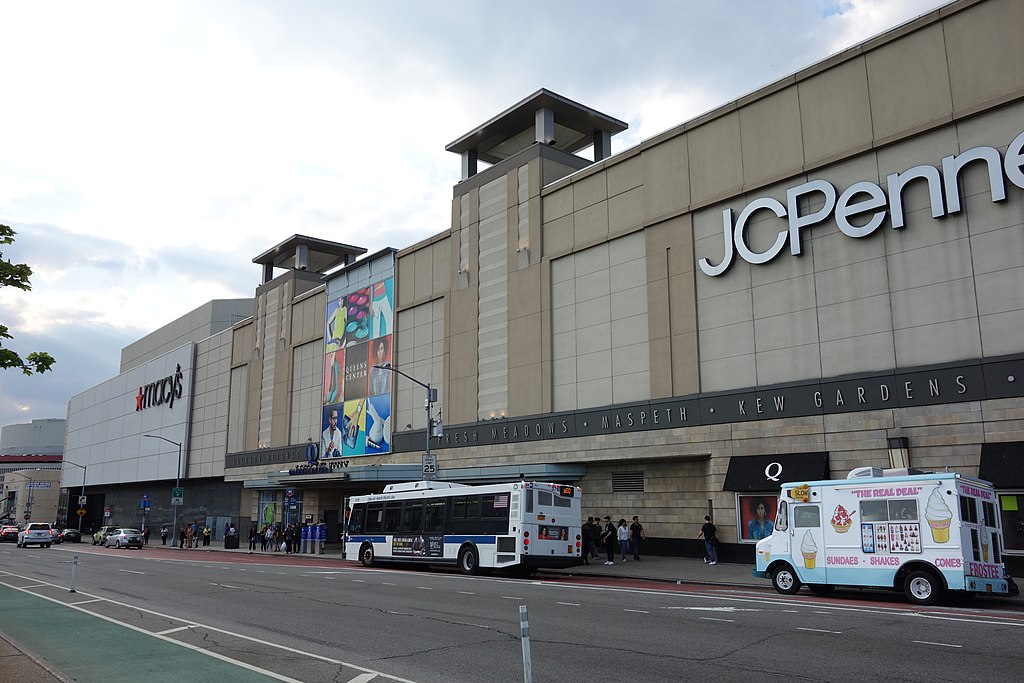
Auto Wrecker in Elmhurst, Queens, New York City.
- We pay top dollar for all makes and models.
- Get the best price for your vehicle.
- We are the establishment who buys junk cars near me.
- We mostly schedule same day pickups.
- Free towing on all our purchases.
- Highly reviewed customer service staff.
- We have paid anywhere from $500 to $50,000 cash for vehicles.
- Call us for an instant quote.
- We have been recognized as one of the best places that buy junk automobiles.
- Our removal service is one of the highest rated in the city.
- No title, no problem. Call us we will get rid of your jalopy for good.
Elmhurst, located in the borough of Queens, New York City, is a bustling neighborhood known for its rich history and incredible diversity. Elmhurst’s strategic location and excellent transportation links make it a vital crossroad in Queens.
History
Elmhurst, located in the borough of Queens in New York City, has a rich and layered history that dates back to the 17th century. This neighborhood, originally named Newtown, has evolved significantly over the centuries, transitioning from a rural village to a bustling urban community. Here’s a comprehensive look at the history of Elmhurst:
Colonial Beginnings
Elmhurst was originally part of the larger township called Newtown, one of the original towns of Queens County. It was first settled by the Dutch in 1652 as Middenburgh and later became known as Newtown Village. The area was primarily agricultural, supporting farms and mills.
Name Change and Development
In the late 19th century, residents sought to dissociate from the industrial pollution and bustling commerce of neighboring areas, renaming Newtown to Elmhurst in 1896, which means “elm forest” in German, to reflect the desire for a more residential character. This change coincided with significant suburban development, spurred by the introduction of railroads and streetcars which made the area more accessible.
Immigration and Growth
Elmhurst became a melting pot of cultures in the early 20th century. It saw an influx of various immigrant groups, including Italians, Jews, and later, Asians and Hispanics. This diversity significantly shaped the cultural landscape of Elmhurst.
The neighborhood’s growth was also marked by the construction of the Queens Boulevard in the 1920s, which became a major thoroughfare, and the introduction of the Independent Subway System (IND) Queens Boulevard Line in the 1930s.
Mid-20th Century to Present
After World War II, Elmhurst continued to grow as a residential and commercial hub. The construction of public housing projects in the 1950s and 1960s accommodated the booming population.
By the late 20th century, Elmhurst had become one of the most ethnically diverse communities in New York City, known for its vibrant array of restaurants, shops, and cultural institutions representing global cultures.
Modern times
In recent decades, the neighborhood has experienced tremendous development, thanks to the renovation of the Queens Center Mall in the 1990s, which turned it into one of the most profitable shopping centers in the United States. The area surrounding the shopping center has become a major commercial area in recent years, attracting businesses and further residential development.
Historical places
Despite modernization, Elmhurst retains several historic monuments. The former St. James Episcopal Church, built in 1735, is the second-oldest church in Queens. Another important site is Newtown High School, a beautiful building from the early 20th century that shows the architectural evolution of the area.
Boundaries
Here is a detailed description of Elmhurst’s boundaries:
- Northern Boundary: Roosevelt Avenue marks the northern boundary of Elmhurst, separating it from the neighborhood of Jackson Heights. Roosevelt Avenue is known for its vibrant commercial activity and serves as a significant corridor for public transit.
- Southern Boundary: Long Island Expressway (LIE) or Interstate 495, runs east to west and serves as Elmhurst’s southern boundary, it separates with the Middle Village and Rego Park neighborhoods. This major highway not only marks the border but also provides significant connectivity to other parts of Queens and Long Island.
- Eastern Boundary: Junction Boulevard serves as the eastern boundary, dividing Elmhurst from Corona. Junction Boulevard is another bustling artery, featuring a mix of residential and commercial properties.
- Western Boundary: The New York Connecting Railroad defines the western boundary between Elmhurst and the Woodside and Maspeth neighborhoods.
Scenic Beauty
Elmhurst, Queens, might not be immediately recognized for its scenic beauty in the traditional sense of sprawling parks and waterfront vistas, as seen in other parts of New York City. However, Elmhurst offers its own unique urban charm and pockets of beauty that reflect its rich cultural diversity and history. Here’s a closer look at some of the scenic aspects of Elmhurst:
Moore Homestead Playground
This historical site turned public space is a notable green area in Elmhurst. Previously the location of the Moore family’s homestead, which dated back to the colonial era, the playground now provides residents with recreational facilities amidst mature trees and landscaped gardens, offering a pleasant retreat from the urban environment.
Newtown Playground
Another small yet significant green space, Newtown Playground offers play areas, basketball courts, and sitting areas where locals can relax and enjoy the outdoors. It’s especially scenic in the spring and fall when the trees provide a beautiful display of colors.
Architectural Beauty
Elmhurst includes some architecturally interesting buildings that add to its aesthetic appeal. This includes the historic St. James Episcopal Church, which is one of the oldest churches in Queens, featuring beautiful Gothic Revival architecture. There are also several pre-war residential buildings with ornate details that provide a glimpse into the area’s past development.
Diverse Streetscapes
Elmhurst’s vibrant streetscapes are lined with a mix of small shops, international restaurants, and markets, especially along Broadway and Queens Boulevard. The visual diversity of storefronts and the array of colors and signs reflect the neighborhood’s multicultural community and add a dynamic element to its urban beauty.
Queens Center Mall Area
While not scenic in the traditional sense, the area around Queens Center Mall has a bustling atmosphere that’s characteristic of major urban centers. The mall itself, being a focal point in the neighborhood, is surrounded by modern high-rises and busy streets filled with shoppers and diners.
Community Gardens
There are community gardens tucked away in parts of Elmhurst, where residents engage in gardening and create small oases within the dense urban fabric. These spots are particularly scenic during the growing season when they are lush with vegetation and flowers.
Recreactional Activities
Here’s a look at some of the recreational activities available in Elmhurst:
Parks and Playgrounds
- Moore Homestead Playground: This playground not only provides green space but also features play equipment, basketball courts, and areas for relaxation. It’s a popular spot for families and offers a brief escape from the urban environment.
- Newtown Playground: Offering similar facilities, Newtown Playground is another vital outdoor space where residents can engage in sports or enjoy picnics.
Cultural Activities
- Queens Library at Elmhurst: This library is not just a place for books; it hosts various programs including language classes, cultural events, and educational workshops for all ages. These activities are great for community engagement and learning.
- Cultural Festivals: Elmhurst’s diverse population celebrates a variety of cultural festivals throughout the year, from Lunar New Year to Diwali, featuring traditional performances, food, and crafts.
Shopping and Dining
- Queens Center Mall: As one of the busiest malls in New York City, Queens Center Mall is a recreational hotspot for shopping enthusiasts. The mall and its surrounding area are filled with retail stores, eateries, and occasionally host promotional events and entertainment.
- International Cuisine: Elmhurst is known for its array of international restaurants, offering everything from Southeast Asian to Latin American cuisines. Exploring these diverse dining options can be a delightful culinary adventure.
Sports and Fitness
- Gyms and Fitness Centers: Several fitness centers in Elmhurst cater to health-conscious residents, offering gym facilities, fitness classes, and personal training sessions.
- Sporting Facilities: The playgrounds and parks in Elmhurst often have multipurpose fields and courts where locals play sports such as soccer, basketball, and volleyball.
Art and Entertainment
- Local Cinemas: Movie theaters in and around Elmhurst screen the latest releases, including international films that cater to the neighborhood’s diverse population. These cinemas often become gathering places for entertainment and social interaction.
Family Activities
- Play Areas and Educational Programs: For families with children, the local parks and the library offer playgrounds and programs that are both fun and educational, making them perfect for weekend outings.
Local Economy and Major Trading Areas
Elmhurst, Queens, New York City, boasts a vibrant local economy characterized by a diverse array of businesses, significant commercial areas, and a bustling retail environment. The neighborhood’s strategic location, dense population, and multicultural backdrop contribute to its economic vitality. Here’s an overview of the local economy and major trading areas in Elmhurst:
Major Shopping Centers and Commercial Hubs
- Queens Center Mall: One of the most prominent features of Elmhurst’s economy, Queens Center Mall is a major shopping destination not just for local residents but for people from across Queens and other boroughs. The mall houses a wide range of retail stores, from high-end brands to popular chain stores, and attracts significant foot traffic, contributing substantially to the local economy.
- Broadway and Queens Boulevard: These major thoroughfares are lined with a variety of shops, restaurants, and services that cater to the diverse local community. The retail mix includes everything from local grocery stores and specialty shops to national chains, providing a broad spectrum of goods and services.
Dining and Cuisine
Elmhurst is renowned for its culinary diversity, with numerous restaurants offering a range of international cuisines, including Chinese, Korean, Thai, Indian, and Latin American. This vibrant dining scene not only serves the local population but also draws visitors from outside the neighborhood, boosting the local economy.
Healthcare and Services
The neighborhood hosts several medical facilities and clinics that provide healthcare services to the community. These facilities are important local employers and contribute to the economic stability of the area.
Real Estate and Development
Elmhurst has seen considerable residential and commercial development, driven by its popularity among families and immigrants, and its relatively affordable housing market compared to other parts of New York City. The real estate sector supports local construction businesses and contributes to the overall economic health of the neighborhood.
Small Businesses and Entrepreneurship
The economic landscape of Elmhurst is bolstered by small businesses, many of which are immigrant-owned, including retail shops, service providers, and professional offices. These businesses contribute to the neighborhood’s economic diversity and resilience.
Cultural and Recreational Economy
Elmhurst’s cultural festivals and community events also play a role in its economy by fostering tourism and local spending. Events such as cultural parades and food festivals celebrate the neighborhood’s diverse heritage and attract visitors.
Main Communication Routes and Public Transportation
Elmhurst, Queens, benefits from excellent transportation options that make it one of the more accessible neighborhoods in New York City. Its robust network of public transportation services and major roads enhances its appeal as a residential and commercial hub. Here’s an overview of the main communication routes and public transportation in Elmhurst:
Roads and Highways
- Queens Boulevard: Known as the main artery of Queens, this major thoroughfare runs through Elmhurst, providing access to many local businesses and acting as a primary road route for both personal vehicles and bus lines.
- Long Island Expressway (LIE, I-495): Passing just south of Elmhurst, the LIE is one of the major highways offering east-west connectivity to Long Island and Manhattan, crucial for drivers commuting by car.
Public transportation
Subway: This transportation system has several options:
- M and R Trains: These subway lines serve Elmhurst with several key stops including Elmhurst Avenue, Grand Avenue-Newtown, and Woodhaven Boulevard. These lines provide direct access to Manhattan, Brooklyn, and other parts of Queens, making Elmhurst a convenient location for commuters.
- 7 Train: Although slightly to the north of Elmhurst, the 7 train can be easily accessed at the 90th Street-Elmhurst Avenue station, providing additional connectivity to Flushing and Manhattan.
Buses: Elmhurst is served by numerous NYC Transit bus routes that enhance its connectivity within Queens and to other boroughs. Key bus routes include:
- Q53 SBS bus : This Select Bus Service provides a rapid connection from Woodside in Queens through Elmhurst to Rockaway Beach, facilitating quick north-south travel across Queens.
- Q58 bus: Running along Corona Avenue and connecting Ridgewood to Flushing, this bus line serves the southern part of Elmhurst and is crucial for east-west travel.
- Q29, Q38, Q60, Q88 buses: These routes serve various parts of Elmhurst, connecting it to other major Queens neighborhoods and shopping destinations.
Biking and Walking
Elmhurst is relatively pedestrian-friendly, especially around its busy commercial districts along Queens Boulevard and Broadway. While not as prominent for biking, there are bike-friendly routes in and around the neighborhood, and the city has been improving bike accessibility across Queens.
Demographic Data
Elmhurst is known for its remarkable ethnic diversity, which is reflected in its demographic makeup. This diversity is a defining characteristic of the neighborhood, influencing its culture, economy, and daily life. Here’s an overview of the demographic data for Elmhurst:
Ethnic and Racial Composition
- Asian Population: Elmhurst has a significant Asian population, primarily consisting of Chinese, Korean, and Filipino communities. This demographic has grown over recent decades, establishing a strong presence with numerous Asian-owned businesses, restaurants, and cultural institutions.
- Hispanic Population: Elmhurst also has a large Hispanic or Latino population, with individuals predominantly from Ecuador, Mexico, and other Latin American countries. This community contributes to the neighborhood’s cultural vibrancy, evident in the variety of Latino eateries, shops, and cultural festivals.
- Other Groups: While smaller in numbers, there are also communities of South Asians, Eastern Europeans, and Middle Easterners, as well as a longstanding Italian-American community, all contributing to the neighborhood’s cultural mosaic.
Age Distribution
Elmhurst exhibits a broad age distribution, with a notable proportion of young adults and children, indicative of its many families, as well as a significant number of working-age adults and seniors.
Population Density
Elmhurst is one of the more densely populated neighborhoods in Queens, characterized by a mix of residential housing styles including apartment buildings, multi-family homes, and single-family residences.
Income Levels
The income levels in Elmhurst vary widely, reflecting its socio-economic diversity. There are areas with middle to upper-middle-class households, particularly in sections with newer residential developments, alongside more modest income areas predominantly occupied by immigrant families.
Educational Attainment
Educational attainment in Elmhurst varies, with a significant number of residents possessing high school diplomas and some form of college education. The presence of immigrants striving for upward mobility is often reflected in the community’s value placed on education.
Housing
The housing market in Elmhurst includes a mix of older and newer developments, with a trend towards more high-density apartment buildings to accommodate its growing population. The area also features co-ops and condominiums, alongside the traditional multi-family homes.
Employment
The employment profile of Elmhurst is diverse, with significant sectors including retail, healthcare, manufacturing, and education. The neighborhood’s location near major commercial hubs like Queens Center Mall also influences local employment opportunities.
Language and Culture
Elmhurst’s linguistic landscape is as diverse as its population, with many residents bilingual or multilingual, speaking languages such as Spanish, Chinese (Mandarin and Cantonese), Tagalog, Korean, and Bengali, among others. This linguistic diversity is accompanied by a rich array of cultural practices and traditions that are celebrated within the community.
Crime
Elmhurst, Queens, like many urban neighborhoods, faces its share of crime-related challenges, but it is generally considered a relatively safe area compared to other parts of New York City. The neighborhood’s diverse community and active local organizations work in conjunction with law enforcement to address and mitigate crime issues. Here is an overview of the crime situation in Elmhurst:
Types of Crime
- Property Crimes: The most common types of crimes in Elmhurst are property crimes, such as theft, burglary, and vandalism. These incidents often occur in and around commercial areas, particularly near major shopping centers like the Queens Center Mall, where high foot traffic can attract opportunistic crimes.
- Violent Crimes: Violent crimes, including assaults and robberies, occur but are less frequent. These incidents are often concentrated in specific areas and can be related to late-night activities or isolated disputes.
- Auto Thefts and Related Crimes: Given the neighborhood’s significant traffic and access to major thoroughfares like the Long Island Expressway and Queens Boulevard, auto thefts and related crimes are a concern for local law enforcement.
Crime Prevention and Law Enforcement
- NYPD’s Role: Elmhurst is primarily served by the 110th Precinct of the New York City Police Department, which maintains a significant presence in the area. The precinct engages in various crime prevention strategies, community policing efforts, and regular patrols to ensure public safety.
- Community Involvement: Community involvement is a crucial element of crime prevention in Elmhurst. Local neighborhood watches, community boards, and residents’ associations collaborate closely with the police to address local concerns. These groups often organize safety workshops, community meetings, and awareness campaigns to educate residents about crime prevention techniques.
- CCTV and Security Measures: Many businesses and residential buildings in Elmhurst have installed CCTV systems to deter criminal activities and aid in law enforcement efforts. Enhanced lighting and security patrols around major commercial areas also help reduce crime rates.
Challenges and Responses
- Youth Engagement: Recognizing that youth engagement is vital for long-term crime reduction, Elmhurst features various programs aimed at young people. These include sports leagues, educational programs, and recreational activities that provide alternatives to delinquency.
- Drug-Related Issues: Drug-related offenses pose challenges, as they do in many urban neighborhoods. Local law enforcement works with community health programs to address substance abuse issues, providing support and rehabilitation services to those in need.
Effectiveness of Measures
Crime rates in Elmhurst have generally seen a downward trend over the past few decades, thanks to effective policing strategies and community engagement. Continued efforts to enhance public safety are prioritized by both law enforcement and community leaders.
Amenities
From shopping and dining to parks and healthcare facilities, Elmhurst offers a well-rounded urban living experience. Here’s an overview of the key amenities available in Elmhurst:
Shopping and Retail
- Queens Center Mall: One of the highlights of Elmhurst, this large shopping mall is a major retail hub in Queens. It features a wide range of stores, from high-end brands to popular chain stores, along with numerous dining options and a food court, attracting shoppers from all over New York City.
- Local Businesses: Along the bustling streets like Broadway, Queens Boulevard, and Junction Boulevard, you can find a plethora of shops including grocery stores, specialty stores, and boutiques that cater to the neighborhood’s multicultural residents.
Dining and Cuisine
Elmhurst is renowned for its diverse culinary scene. The neighborhood offers an array of international cuisines, including Chinese, Mexican, Indian, Thai, and Filipino restaurants, reflecting its rich cultural tapestry. This makes Elmhurst a destination for food enthusiasts looking to explore authentic global flavors.
Parks and Recreation
- Moore Homestead Playground: Located centrally in Elmhurst, this park offers playgrounds, basketball courts, and green spaces for relaxation and recreation, making it a popular spot for families.
- Newtown Playground: Another key recreational area providing residents with sports facilities, children’s play areas, and open spaces for community gatherings and activities.
Healthcare Facilities
Elmhurst is served by the Elmhurst Hospital Center, a large public hospital that provides comprehensive medical services including emergency care, specialized treatment, and general healthcare services to the community. This facility is crucial for the neighborhood’s healthcare infrastructure.
Cultural Amenities
- Queens Library at Elmhurst: This branch of the Queens Public Library system offers not just a vast collection of books and media but also serves as a community center, hosting educational programs, language classes, and cultural events that reflect the community’s diversity.
Educational Facilities
Elmhurst boasts several public schools that serve its growing population, including notable institutions like Newtown High School, which has a long history and offers a range of extracurricular activities to its students.
Transportation
The neighborhood is well-connected by public transit. Key subway stations on the M and R lines at Elmhurst Avenue and Grand Avenue provide easy access to Manhattan and other parts of Queens. Multiple bus lines also serve the area, enhancing its accessibility.
Comunity Engagement
The neighborhood’s diverse population contributes to a rich tapestry of cultural, social, and civic activities, fostering a dynamic community life. Here’s an overview of the community engagement in Elmhurst:
Civic Participation
- Community Board 4: Elmhurst residents are actively involved in Community Board 4, which also serves parts of Corona. The board plays a crucial role in shaping local policies, addressing neighborhood issues, and facilitating communication between the community and the city government.
- Neighborhood Associations: Various neighborhood associations and advocacy groups work to represent the interests of Elmhurst residents, focusing on issues such as safety, development, and public services. These organizations encourage residents to voice their concerns and participate in community decisions.
Cultural Festivals and Events
Elmhurst’s cultural diversity is celebrated through numerous festivals and events that showcase the traditions, food, and arts of its many ethnic groups. Events such as the annual Colombian Independence Day parade, the Lunar New Year celebration, and other cultural festivals not only provide entertainment but also strengthen community bonds and promote cultural understanding.
Volunteerism and Non-Profit Organizations
- Numerous non-profit organizations in Elmhurst focus on a wide range of issues including immigrant services, youth programs, and elderly care. These organizations rely on the active participation of local volunteers to run community programs, educational workshops, and outreach initiatives.
- Elmhurst Hospital Volunteers: The local hospital offers volunteer opportunities for residents to engage in patient care and administrative support, enhancing the community’s health and welfare.
Educational and Recreational Programs
- Queens Library at Elmhurst: This branch of the Queens Library is a hub for educational and cultural activities, offering classes in language learning, technology, and the arts, as well as hosting authors, workshops, and exhibitions.
- Parks and Recreation: The local parks, including Moore Homestead Playground and Newtown Playground, are centers of community activity, hosting sports leagues, fitness classes, and family-friendly events that encourage residents to stay active and connected.
Local Markets and Community Gardens
Elmhurst hosts local farmers markets and community gardens that not only provide access to fresh produce but also serve as gathering spaces for residents, promoting sustainability and community involvement.
Community Safety Initiatives
Safety workshops, neighborhood watch programs, and collaboration with the local police precinct help address safety concerns and promote a secure living environment for all residents.
Schools and Universities
From primary education to higher learning opportunities nearby, Elmhurst provides residents with access to quality educational options. Here’s an overview of the schools and universities serving the Elmhurst community:
Public Schools
Elmhurst is served by the New York City Department of Education and hosts several public schools that provide education from pre-kindergarten through high school. Notable public schools include:
- P.S. 7 Louis F. Simeone, P.S. 102 Bayview, P.S. 89 Elmhurst, and the highly regarded Newtown High School, which offers a range of advanced placement courses and special programs in the arts and sciences.
Charter Schools
There are also charter schools available, such as the Renaissance Charter School, which offer alternative educational opportunities focusing on specific learning methodologies and curricula.
Specialized Schools
Institutions like the Queens Vocational and Technical High School provide career-preparatory education that equips students with practical skills in various trades and technologies.
Higher Education
While there are no universities within Elmhurst itself, the neighborhood is located near several higher education institutions in Queens and greater New York City:
- Queens College: Located in Flushing, Queens College offers a wide range of undergraduate and graduate programs. Known for its liberal arts curriculum, it also provides professional and continuing education opportunities.
- LaGuardia Community College: Situated in nearby Long Island City, LaGuardia offers associate degrees and certificates in over 50 fields, along with continuing education programs for professional development.
- St. John’s University: Although based in Jamaica, Queens, St. John’s is accessible to Elmhurst residents and offers comprehensive programs ranging from the liberal arts to the sciences, business, and more.
Adult Education and ESL Programs
Many schools and community centers in Elmhurst offer adult education classes, including ESL courses, which are particularly beneficial in this ethnically diverse neighborhood. These programs help integrate non-native speakers into the community and provide them with necessary skills for personal and professional development.
Cultural Offering
This area of New York City is known for its dynamic blend of cultures, which is evident in its culinary scene, festivals, community arts, and more. Here’s a look at the cultural offerings available in Elmhurst:
Culinary Diversity
Elmhurst is celebrated for its international cuisine, featuring a wide array of authentic food options from around the world. The neighborhood is particularly renowned for its Asian culinary offerings, including Chinese, Thai, Indian, and Indonesian restaurants. There are also numerous Latin American eateries, offering Mexican, Ecuadorian, and Colombian dishes. This diverse food scene not only provides a taste of global cultures but also serves as a gathering place for community interaction.
Cultural Festivals
Throughout the year, Elmhurst hosts various cultural festivals that celebrate the traditions of its multi-ethnic community. These include celebrations for Lunar New Year, Diwali, and Hispanic Heritage Month, featuring traditional music, dance, clothing, and food. These festivals are central to promoting cultural awareness and appreciation among residents and visitors alike.
Performing Arts
While Elmhurst does not house large theater venues, local community centers and schools frequently host live performances, including music concerts, dance recitals, and plays that showcase local talent as well as international arts. These events are key to maintaining the cultural vibrancy of the neighborhood.
Art and Exhibitions
Various pop-up art exhibits and cultural displays occur in community spaces, reflecting the artistic talents of residents and themes relevant to the community’s diverse backgrounds. Local libraries and schools often facilitate art workshops and exhibitions, contributing to the cultural education of the neighborhood.
Community Centers and Libraries
The Elmhurst Library, one of the busiest branches of the Queens Public Library system, is a crucial cultural hub. It offers a range of programs including language classes, literary discussions, and cultural workshops that cater to the neighborhood’s diverse population. The library also hosts events celebrating various cultural heritages, which are well-attended by the community.
Religious and Cultural Institutions
Elmhurst is home to numerous religious and cultural institutions that represent a variety of faiths and cultures, including Christian churches, Buddhist temples, Hindu temples, and Islamic mosques. These institutions often host cultural events and festivals that are open to the broader community, fostering an environment of mutual respect and understanding.
Film and Media
The neighborhood’s diversity is also reflected in the film and media consumed and celebrated by its residents, with local cinemas occasionally showing foreign films and documentaries that cater to the various ethnic groups in Elmhurst.
Holidays, Cultural Festivals and Fairs
Elmhurst, Queens, celebrates a wide range of holidays, festivals and fairs. These celebrations not only highlight traditional American holidays but also include numerous cultural and religious events specific to the various ethnic groups that call Elmhurst home. Here’s a closer look at the variety of holidays celebrated in Elmhurst:
Traditional American Holidays
- Independence Day (July 4th): Celebrated with community gatherings, barbecues, and, if regulations allow, fireworks. Local parks and open spaces become hubs for families and friends to come together and enjoy the festivities.
- Thanksgiving: Marked by community feasts and charitable activities, many local organizations and religious centers host events to ensure that everyone, particularly the less fortunate, can enjoy a Thanksgiving meal.
- Memorial Day and Veterans Day: Recognized with parades, memorial services, and other commemorative events to honor and remember those who have served in the U.S. military.
- Christmas: Decorations and festive lights adorn the streets and shopping areas, with local churches hosting masses and other holiday events. Many residents also celebrate with gift-giving and family gatherings.
Lunar New Year Festival
Celebrated predominantly by the neighborhood’s large Asian community, the Lunar New Year festival in Elmhurst features traditional performances such as lion dances, martial arts demonstrations, and music. The streets are adorned with decorations, and local businesses participate enthusiastically, offering special items and promotions.
Diwali Festival
Diwali, the Hindu Festival of Lights, is marked with much fanfare. The event includes cultural performances, the lighting of lamps, and fireworks. Community members share sweets and gifts, and colorful rangoli (patterns made on the floor using colored rice or powder) decorate the area.
Tet Festival
The Vietnamese community celebrates Tet, the Vietnamese New Year, with cultural festivities that include dragon dances, traditional Vietnamese music, and food. It’s an important event that brings together family and friends to mark the beginning of the lunar new year.
Hispanic Day Parade
Reflecting the substantial Hispanic population in Elmhurst, this parade showcases vibrant costumes, floats, and performances from various Hispanic countries. It’s a lively celebration of Hispanic culture with traditional music, dancing, and food.
Eid Celebrations
The Muslim community in Elmhurst observes Eid al-Fitr and Eid al-Adha with communal prayers followed by festive gatherings. Local mosques often host fairs that include games for children, food stalls, and vendors selling clothes and crafts.
Filipino American History Month Celebration
Celebrated in October, this event features cultural exhibitions, traditional Filipino performances, and culinary offerings. It’s a time for the Filipino community in Elmhurst to share their heritage with the wider neighborhood.
Caribbean Carnival
Although more prominent in areas with larger Caribbean populations, Elmhurst’s smaller Caribbean community also participates in carnival celebrations, featuring calypso music, steel drum performances, and colorful costumes.
Hanukkah
The Jewish community in Elmhurst celebrates Hanukkah with the lighting of menorahs, traditional foods like latkes, and community gatherings.
Cinco de Mayo
Celebrated by the neighborhood’s Hispanic community, this holiday features cultural festivals, Mexican folkloric dances, and traditional food from various Latin American countries.
Food Festivals
Given Elmhurst’s reputation for diverse cuisines, food festivals are common and popular. These festivals allow residents and visitors to sample dishes from around the world and are often combined with cultural performances and vendor markets.
Restaurants
Elmhurst, Queens, is renowned for its incredibly diverse culinary scene, offering a tapestry of flavors from around the world. This neighborhood is a food lover’s paradise, featuring an array of authentic eateries that reflect its multicultural population. Here are some highlights of the restaurant scene in Elmhurst:
Asian Cuisine
- Ayada Thai: Often listed among the best Thai restaurants in New York City, Ayada offers a menu full of traditional Thai dishes like pad Thai, green curry, and papaya salad, all known for their authenticity and bold flavors.
- Lao Bei Fang Dumpling House: This spot is famous for its hand-pulled noodles and dumplings. It’s a go-to for those seeking hearty, comforting Northern Chinese food at very reasonable prices.
- JoJu: Modernizing traditional Vietnamese sandwiches, JoJu serves up creative bánh mì with a variety of fillings, including bulgogi and lemongrass chicken, alongside their famous kimchi fries.
Latin American Cuisine
- Rincon Criollo: A cornerstone of Cuban cuisine in Queens, Rincon Criollo serves up classics like ropa vieja and arroz con pollo in a familial, welcoming setting.
- La Fusta: Known for its Argentine cuisine, La Fusta offers excellent steaks and traditional dishes like empanadas and milanesas, making it a favorite for meat lovers.
Indian and South Asian Cuisine
- Kabab King: Reflecting the South Asian community in Elmhurst, Kabab King offers a wide array of Pakistani, Indian, and Bangladeshi dishes. It’s particularly known for its late-night service, catering to those looking for after-hours eats.
- Momo Crave: Specializing in Nepali-style momos (dumplings), this spot combines traditional fillings with inventive twists, offering a modern take on a classic dish.
Filipino Cuisine
- Tito Rad’s Grill: This Filipino restaurant is a local favorite, known for its authentic dishes like sinigang na baboy and lechon kawali. It’s a true taste of the Philippines in the heart of Queens.
European Influences
- Boon by Moldova: Serving Moldovan and Romanian cuisine, this restaurant offers Eastern European dishes that are hard to find elsewhere, including stuffed cabbage, borscht, and a variety of hearty stews.
Desserts and Bakeries
- Lao Bei Fang Sweet House: Adjacent to the dumpling house, this dessert spot offers Asian sweets, including tangyuan (rice balls) and various pastries.
- Red Ribbon Bakeshop: A popular Filipino bakery, Red Ribbon is beloved for its cakes, especially the ube (purple yam) cake, as well as a variety of sweet and savory baked goods.
Learn more about Ozone Park, the location of our dispatch center, by visiting Carmula.com
Contact us for a free quote
Fill out the form below, so we could give you an instant quote on the price of you unwanted car.