



 Who We Are
 Coverage Area
 Donate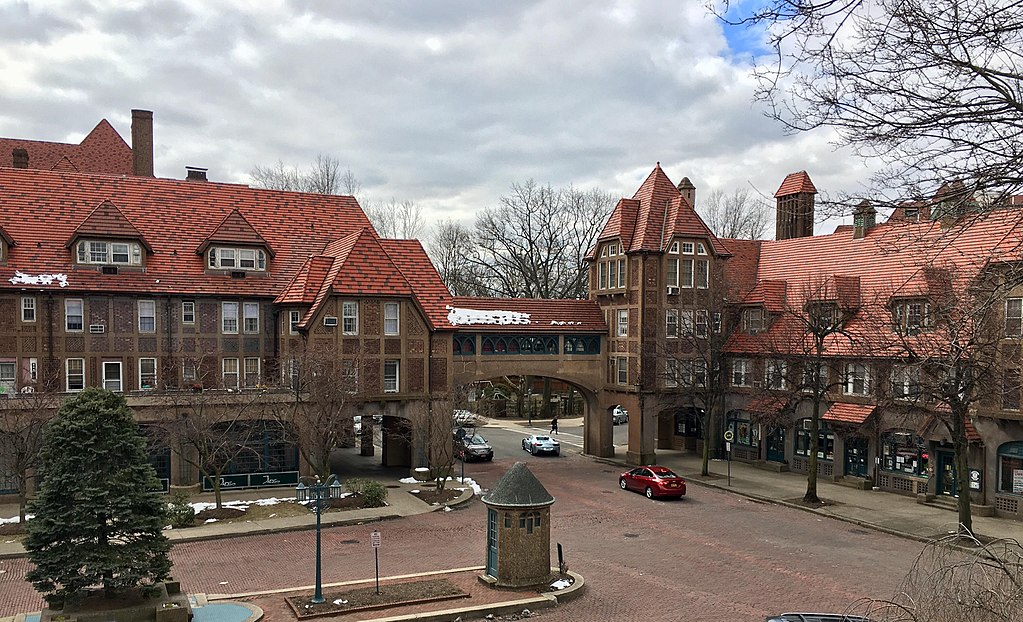
Auto Wrecker in Forest Hills, Queens, New York City.
- We pay top dollar for all makes and models.
- Get the best price for your vehicle.
- We are the establishment who buys junk cars near me.
- We mostly schedule same day pickups.
- Free towing on all our purchases.
- Highly reviewed customer service staff.
- We have paid anywhere from $500 to $50,000 cash for vehicles.
- Call us for an instant quote.
- We have been recognized as one of the best places that buy junk automobiles.
- Our removal service is one of the highest rated in the city.
- No title, no problem. Call us we will get rid of your jalopy for good.
Forest Hills, located in the central part of Queens, New York City, is a predominantly residential neighborhood known for its attractive Tudor-style homes, tree-lined streets, and a rich array of cultural and recreational amenities. This neighborhood combines urban conveniences with suburban charm, making it a sought-after area for families and professionals alike.
History
Forest Hills has a rich and distinctive history that reflects both its development as a planned community and its cultural significance over the years. Here’s an overview of its historical evolution:
Early Development
Originally, the area that would become Forest Hills was part of the larger Forest Park, used mostly for farming. The name “Forest Hills” was derived from its proximity to Forest Park and the hilly terrain found in the area.
Transformation into a Planned Community
In the early 20th century, the Cord Meyer Development Company began developing the area. In 1906, the Russell Sage Foundation purchased land to create a planned garden community, influenced by the garden city movement that originated in England. This plan was executed by the notable landscape architect Frederick Law Olmsted Jr., son of the co-designer of Central Park.
The design included winding streets lined with trees, Tudor-style homes with large lawns, and was centered around a shopping district to create a suburban residential community within the city.
Architectural Significance
Forest Hills Gardens, a section within Forest Hills, is particularly notable for its early 20th-century Tudor architecture. This area was developed as a private community with strict zoning laws and architectural guidelines, making it one of the earliest and most successful examples of a planned garden city in the United States.
The community was designed to be aesthetically pleasing and functional, with its own railway station (Forest Hills Station), making it attractive for middle and upper-middle-class residents seeking an escape from the more crowded parts of New York City.
Cultural Development
Over the years, Forest Hills has been home to a diverse population, including a significant number of Jewish, Irish, and Russian residents. This diversity has enriched the neighborhood with a variety of cultural offerings, from ethnic restaurants to community centers and religious institutions.
The neighborhood gained a reputation as a center for American tennis, hosting the U.S. Open at the West Side Tennis Club before it moved to Flushing Meadows in 1978.
Modern Era
Today, Forest Hills is known for its attractive residential streets, vibrant Austin Street commercial district, and its cultural diversity. The neighborhood has maintained its appeal with its historic homes, green spaces, and an array of dining and shopping options. It continues to be a sought-after residential area in Queens due to its unique blend of suburban charm and urban convenience.
Music and Pop Culture
In the 1970s, Forest Hills gained an unexpected place in music history as the birthplace of the punk rock band The Ramones, all of whose original members grew up in the neighborhood. This connection has added a layer of cultural cool to the neighborhood’s more traditional image.
Boundaries
Forest Hills, a residential neighborhood located in the central part of Queens, New York City, is well-defined by several major thoroughfares and geographical landmarks. Here’s a breakdown of the boundaries that enclose this historically rich and culturally vibrant area:
- Northern Boundary: Long Island Expressway serves as the northern limit of Forest Hills. This major roadway separates Forest Hills from the neighborhood of Corona and provides a clear demarcation with its prominent infrastructure.
- Southern Boundary: Union Turnpike is generally considered the southern boundary of Forest Hills, separating it from Kew Gardens neighborhood and Forest Park. This busy thoroughfare is a significant commercial and transit route within Queens.
- Eastern Boundary: Grand Central Parkway are often regarded as the eastern edge of Forest Hills. This major roadway mark the transition between Forest Hills and Flushing Meadows Corona Park to the east.
- Western Boundary: 102nd Street and 67th Avenue serves as the northern limit of Forest Hills, separating it from Rego Park.
Scenic Beauty
Forest Hills is renowned for its scenic beauty, characterized by well-planned streets, lush greenery, and distinctive architecture that create a visually appealing suburban oasis within the urban environment. Here’s an exploration of the scenic beauty inherent in Forest Hills:
Architectural Charm
- Forest Hills Gardens: One of the most picturesque areas in Forest Hills, this private community is known for its beautifully preserved Tudor-style homes and winding streets. The architecture here reflects early 20th-century design inspired by the Garden City movement, with stucco facades, gabled roofs, and intricate brickwork that lend a timeless elegance to the neighborhood.
- Cooperative Apartments and Towers: In contrast to the Tudor homes, Forest Hills also features some striking examples of Art Deco architecture, particularly in the apartment buildings along Queens Boulevard and other major streets. These structures add a touch of historical glamour to the neighborhood’s skyline.
Lush Landscapes and Tree-Lined Streets
The streets of Forest Hills are lined with a variety of trees, including oak, maple, and cherry trees, which create a lush canopy especially vivid in the spring and fall. This verdant environment enhances the neighborhood’s suburban feel and provides residents with shaded, picturesque walking paths.
Gardens and Green Spaces
Residents take pride in their well-maintained gardens, which are often filled with vibrant flowers and ornamental shrubs. These personal and public green spaces contribute to the area’s overall aesthetic appeal.
Recreational Areas
- Forest Park: Adjacent to Forest Hills, this large park offers a range of natural and landscaped areas. With its forested trails, rolling hills, and recreational facilities, Forest Park is a significant contributor to the area’s scenic beauty. It’s a popular spot for jogging, horseback riding, golfing, and tennis.
- Playgrounds and Sports Fields: The neighborhood includes several well-kept playgrounds and sports fields, where the natural scenery combines with active spaces for community use.
Boulevards and Thoroughfares
- Queens Boulevard and Austin Street: While Queens Boulevard is a bustling thoroughfare, parts of it feature wide sidewalks and medians with trees and plantings. Austin Street, known for its shopping and dining scene, offers a quaint urban charm with its street-side cafes and boutique stores, making it a pleasant area for strolls and leisure outings.
Seasonal Beauty
Forest Hills shines particularly brightly in the autumn, when the tree-lined streets are blanketed in shades of orange, red, and yellow, and again in the spring, when flowering trees burst into bloom. These seasonal changes are eagerly anticipated and add a dynamic element to the neighborhood’s scenic beauty.
Recreactional Activities
Forest Hills, Queens, New York City, offers a range of recreational activities that cater to a diverse community, providing residents and visitors with ample opportunities to enjoy both indoor and outdoor pursuits. Here’s an overview of the recreational activities available in Forest Hills:
Outdoor Activities
- Forest Park: Adjacent to Forest Hills, this large park is a major recreational asset. It offers a variety of outdoor activities, including hiking on its many trails, horseback riding, biking, and running. The park also features a golf course and tennis courts, making it a popular destination for sports enthusiasts.
- Playgrounds and Sports Fields: Forest Hills has several well-equipped playgrounds and sports fields scattered throughout the neighborhood. These areas provide facilities for soccer, baseball, basketball, and other sports, catering to both organized team activities and casual play.
Tennis and Racquet Sports
- West Side Tennis Club: Once the home of the U.S. Open, this historic club offers members access to grass, clay, and hard tennis courts. It remains a center for tennis in the area, with facilities also available for squash and other racquet sports.
- Public Tennis Courts: For those looking for more accessible options, the public tennis courts in Forest Park provide another venue for racquet sports enthusiasts.
Cultural and Educational Activities
- Queens Library at Forest Hills: This branch of the Queens Public Library hosts a variety of programs, including book clubs, educational workshops, and children’s story times, which serve as recreational learning experiences for all ages.
- Community Centers: Local community centers offer classes and workshops in arts and crafts, dance, music, and more, providing recreational learning opportunities for the community.
Fitness and Wellness
- Gyms and Fitness Centers: Numerous gyms and fitness centers in Forest Hills cater to those looking to maintain their fitness regime. These facilities offer a range of classes, from yoga and pilates to high-intensity interval training and spinning.
- Yoga Studios: For a more focused approach to wellness, several yoga studios in Forest Hills offer classes for all skill levels, promoting both physical and mental well-being.
Shopping and Dining
- Austin Street: While primarily known for its shopping, Austin Street also provides a recreational outlet for those who enjoy dining out and casual strolls through a vibrant urban setting. The street is lined with boutiques, restaurants, and cafes, making it a lively spot for leisure activities.
Seasonal Events
- Farmers Market: The Forest Hills Greenmarket operates on Sundays, offering fresh, locally-sourced produce and goods. It’s not only a place to shop but also a community gathering spot where residents engage socially.
- Holiday Events: Seasonal events like holiday markets, Halloween parades, and summer concerts add a festive dimension to the neighborhood’s recreational offerings.
Art and Cinema
- Cinemas: Forest Hills has movie theaters that not only show the latest releases but occasionally host film festivals or special screenings, providing entertainment for cinema enthusiasts.
Local Economy and Major Trading Areas
Forest Hills, Queens, boasts a dynamic local economy characterized by a mix of residential stability and commercial activity. The neighborhood’s economic vitality is driven by a combination of small businesses, retail corridors, service industries, and professional sectors. Here’s an overview of the local economy and major trading areas in Forest Hills:
Major Trading Areas
- Austin Street: Often considered the commercial heart of Forest Hills, Austin Street is a bustling shopping district lined with a variety of stores, from nationally recognized chains to local boutiques. This area is a major draw for both residents and visitors, offering clothing stores, bookshops, home goods, and specialty stores. The street is also home to a variety of cafes, restaurants, and bars, making it a vibrant area for dining and nightlife.
- Queens Boulevard: Another significant commercial artery in Forest Hills, Queens Boulevard features a range of businesses including larger retail chains, supermarkets, furniture stores, and service-based businesses like banks and gyms. The boulevard serves as a major transit and traffic route, enhancing its accessibility and visibility as a trading area.
Small Businesses and Services
Forest Hills has a robust network of small businesses that contribute to the local economy. These include family-owned restaurants offering a variety of cuisines, independent coffee shops, bakeries, and personal service businesses such as salons and wellness centers.
Professional services, including medical practices, law offices, and financial services, are also a significant component of the neighborhood’s economy. The presence of numerous medical professionals and facilities adds to the economic stability and appeal of the area.
Real Estate
The real estate market in Forest Hills plays a crucial role in its economy. The neighborhood is known for its attractive mix of Tudor-style homes, apartment buildings, and modern condos. This diversity in housing helps maintain a vibrant real estate sector, with both sales and rentals contributing to the economy.
The demand for office space, particularly for small and medium-sized enterprises, influences the local real estate market, catering to professionals and businesses that prefer a suburban setting close to Manhattan.
Cultural and Recreational Economy
Forest Hills Stadium, historically a tennis stadium, now hosts concerts and other large events, drawing significant crowds and boosting local businesses, particularly in the hospitality and retail sectors.
Transportation
Excellent transportation infrastructure, including access to several subway lines and the Long Island Rail Road, enhances the economic desirability of Forest Hills, making it accessible for both commuting residents and visiting consumers.
Main Communication Routes and Public Transportation
Forest Hills enjoys excellent transportation links that make it one of the most accessible neighborhoods in Queens, New York City. This connectivity not only facilitates commuting to Manhattan and other parts of New York City but also supports the local economy and enhances the quality of life for residents. Here’s a detailed look at the main communication routes and public transportation options available in Forest Hills:
Major Roads and Highways
- Queens Boulevard: Known as one of the busiest thoroughfares in Queens, this major roadway runs through Forest Hills and provides access to various parts of New York City. It also hosts many of the neighborhood’s shops and services, making it a vital artery for both traffic and local commerce.
- Grand Central Parkway and Long Island Expressway (LIE): These two major highways are easily accessible from Forest Hills and are crucial for vehicular travel to and from Manhattan, Long Island, and other parts of Queens. They facilitate not only daily commuting but also regional travel.
Public Transportation
Subway
- E, F, M, and R Trains: The E, F, M, and R subway lines serve Forest Hills via the 71st Avenue station, which is a major hub in the area. This station provides quick and direct access to Manhattan and other parts of Queens, making it extremely convenient for commuters.
- Additional Subway Stops: The local M and R trains also stop at the 67th Avenue, 63rd Drive-Rego Park, and Woodhaven Boulevard stations, providing further accessibility within and beyond the neighborhood.
Long Island Rail Road (LIRR)
- Forest Hills Station: Located on Burns Street and Continental Avenue, this station offers LIRR service on the Main Line. The LIRR provides a faster alternative to Manhattan, particularly to Penn Station, and is a favored option for commuters looking to reduce travel time to eastern Long Island.
- Kew Gardens Station: Just south of Forest Hills, this station also provides convenient LIRR service, giving residents additional options for rail travel.
Buses
A network of bus routes serves Forest Hills, enhancing connectivity within Queens and to other boroughs. Key bus routes include:
- Q23 bus: This route runs from East Elmhurst through Forest Hills to Glendale, covering a broad area.
- Q60 bus: Travels along Queens Boulevard all the way from South Jamaica to Midtown Manhattan, providing a direct link to many key areas.
- QM12 and QM42 buses: Express bus services to Manhattan, offering a comfortable and quicker alternative for commuters during rush hours.
Cycling and Walking
Forest Hills is relatively friendly for cyclists and pedestrians, with several quiet streets and bike-friendly lanes. The neighborhood’s proximity to Forest Park offers additional cycling paths and scenic routes for both cyclists and walkers.
Demographic Data
The neighborhood’s demographic profile reflects a blend of various cultures, ages, and socio-economic statuses, contributing to its dynamic character. Here’s a detailed look at the demographic data of Forest Hills:
Population Diversity
- Ethnic Composition: Forest Hills is home to a diverse array of ethnic groups. Historically, it has had significant Jewish and European populations. Over recent decades, there has been an increase in Asian, Hispanic, and Eastern European residents, adding to the multicultural tapestry of the neighborhood.
- Cultural Communities: The neighborhood features a mix of cultural communities, including Russian, Chinese, Korean, and Hispanic residents, each contributing their traditions, languages, and cuisines to the local culture.
Age Distribution
Forest Hills has a balanced age distribution with a good mix of young adults, families with children, and older adults. This diversity is reflected in the range of services and activities available in the area, from schools and parks to senior centers and healthcare facilities.
Income Levels
The area is generally considered middle to upper-middle class, with a range of professional and white-collar workers. There is also a significant number of residents involved in creative and tech industries, reflecting broader trends in New York City’s economy.
Education Levels
Forest Hills residents tend to have higher education levels, with a significant portion holding bachelor’s or advanced degrees. This is indicative of the neighborhood’s emphasis on education and the presence of professionals and families who prioritize access to quality educational opportunities.
Housing
The neighborhood is known for its beautiful single-family homes in areas like Forest Hills Gardens, as well as for more affordable multi-family apartments and co-ops. This range in housing options makes the neighborhood accessible to various income levels.
Languages
Due to its diverse population, a variety of languages are spoken in Forest Hills. Besides English, Russian, Spanish, Mandarin, and Korean are commonly spoken, reflecting the varied immigrant communities.
Like much of Queens, Forest Hills has a high percentage of immigrants, which enriches the neighborhood’s cultural landscape and influences everything from food offerings to festival celebrations.
Employment
The employment profile of Forest Hills includes a high concentration of professionals, managers, and administrators, alongside workers from the service, sales, and construction sectors. The local economy benefits from a well-educated workforce that commutes to various parts of NYC for employment.
Crime
Forest Hills generally enjoys a reputation as a safe and secure place to live. The crime rate in Forest Hills is typically lower than in many other parts of New York City, reflecting the neighborhood’s strong community cohesion and effective local policing. However, like any urban area, it is not entirely free from crime. Here’s a detailed look at the crime situation in Forest Hills:
Types of Crime
- Property Crime: The most common crimes in Forest Hills are property-related, such as theft, burglary, and auto theft. These incidents often involve theft from vehicles or residential property break-ins. Efforts to combat these include increased surveillance, community watch programs, and regular police patrols.
- Violent Crime: Violent crimes are less common in Forest Hills compared to other neighborhoods in New York City. When they do occur, they typically involve isolated incidents rather than patterns suggesting broader safety issues.
- Petty Crimes: Petty crimes, including vandalism, shoplifting, and fare evasion, also occur but are generally handled promptly by local authorities to maintain the neighborhood’s standard of safety.
Policing and Security Measures
- Local Policing: The 112th Precinct serves Forest Hills and works actively to address community concerns about crime. The precinct regularly engages with the community through meetings, safety awareness programs, and swift response to criminal incidents.
- Community Involvement: There is a strong sense of community involvement in Forest Hills, with active neighborhood watch groups and resident associations that collaborate with the police to enhance safety. These groups play a crucial role in crime prevention by reporting suspicious activities and participating in safety patrols.
- Security Cameras and Lighting: Efforts to enhance safety include the installation of more streetlights and security cameras in key areas, particularly around commercial corridors and major transit hubs.
Preventive Measures and Community Education
- Crime Prevention Programs: The local police precinct offers crime prevention advice, focusing on securing homes and vehicles to deter theft and burglary. These programs often include tips on installing better locks, security systems, and how to safeguard personal belongings in public areas.
- Community Outreach: The NYPD and local community organizations conduct outreach programs to educate residents, especially the elderly and young people, about ways to stay safe and avoid becoming victims of crime.
Amenities
Forest Hills provides a mix of urban conveniences with suburban charm, including recreational facilities, cultural venues, shops, and services. Here’s a detailed look at the amenities available in Forest Hills:
Parks and Recreation
- Forest Park: One of the largest parks in Queens, adjacent to Forest Hills, Forest Park offers extensive walking trails, horseback riding paths, a golf course, tennis courts, and sports fields. It’s a popular destination for outdoor activities and relaxation.
- Local Playgrounds and Green Spaces: Numerous smaller parks and playgrounds are scattered throughout Forest Hills, providing accessible recreational spaces for families and children.
Cultural Venues
- West Side Tennis Club: Historically significant, this club was the original site of the U.S. Open tennis tournament. It still hosts various cultural events, including concerts and theatrical performances in its stadium.
- Community Centers: Several community centers offer a variety of programs, classes, and events that cater to all age groups, enhancing the cultural and social fabric of the neighborhood.
Shopping and Dining
- Austin Street: The main commercial thoroughfare in Forest Hills, Austin Street features a wide range of shops, boutiques, restaurants, and cafes. This shopping district is known for its upscale shops, diverse dining options, and vibrant atmosphere.
- Farmers Market: A weekly farmers market offers fresh, locally-sourced produce and goods, promoting community health and supporting local farmers and artisans.
Healthcare Facilities
Forest Hills hosts several medical facilities and private practices offering healthcare services across various specializations. The proximity to major hospitals in neighboring areas like Flushing and Jamaica further enhances access to comprehensive medical care.
Educational Institutions
- Schools: Forest Hills is known for its excellent educational institutions, from well-regarded public schools to prestigious private and parochial schools, providing high-quality education to the community.
- Libraries: The Queens Public Library branch in Forest Hills is a vital resource, offering an extensive collection and hosting various educational programs and workshops.
Transportation
- Public Transit: Forest Hills is exceptionally well-connected, with access to several subway lines (E, F, M, R at the 71st Avenue station) and the Long Island Rail Road, facilitating easy commutes to Manhattan and other parts of New York City.
- Buses: Multiple bus routes serve the neighborhood, enhancing connectivity within Queens and to other boroughs.
Religious and Community Services
- Forest Hills is home to diverse religious institutions, including synagogues, churches, and temples, which serve as both spiritual centers and community gathering spaces.
- Senior Services: Various programs and services cater specifically to the elderly population, providing social engagement opportunities and support services.
Safety and Security
The neighborhood is served by the 112th Police Precinct, known for its community policing efforts. Forest Hills generally enjoys a reputation as a safe and secure place to live.
Comunity Engagement
Forest Hills, Queens, exemplifies strong community engagement with active participation from its residents across a spectrum of activities and initiatives:
Civic Involvement
- Community Board 6: Residents of Forest Hills actively participate in Community Board 6, which addresses neighborhood issues related to land use, zoning, public projects, and city services. This board provides a platform for residents to voice their concerns and influence decisions that impact the neighborhood.
- Neighborhood Associations: Forest Hills has several active neighborhood associations, such as the Forest Hills Gardens Corporation, which manages the area’s private streets and common areas. These associations play a crucial role in maintaining the neighborhood’s aesthetics and community standards.
Cultural and Social Activities
- Arts and Culture: The community supports local arts through events at places like the West Side Tennis Club, which hosts concerts and cultural events in its historic stadium. Additionally, local cafes and libraries frequently hold poetry readings, book signings, and art displays.
- Community Centers: These centers offer a range of activities, from fitness classes and educational courses to recreational programs for all ages. They serve as gathering spots where residents can connect and participate in community life.
Volunteerism and Charitable Activities
Residents engage in various volunteer-driven efforts, such as food drives, school fundraisers, and charity events. Local churches, synagogues, and community organizations often sponsor these initiatives, enhancing support for the less fortunate and fostering a spirit of giving within the community.
Environmental Initiatives
- Park Stewardship: Community groups participate in the upkeep and enhancement of local parks, including Forest Park. Activities include tree plantings, clean-up days, and educational programs about conservation and wildlife.
- Recycling and Sustainability Efforts: Forest Hills promotes environmental awareness and sustainability through local recycling initiatives and educational workshops focusing on eco-friendly practices.
Festivals and Community Events
- Street Fairs and Festivals: Annual street fairs, such as the Austin Street Festival, feature local vendors, crafts, music, and food, drawing large crowds and promoting local businesses.
- Farmers Market: The weekly farmers market not only provides access to fresh produce but also serves as a community gathering place where neighbors meet and interact.
Public Safety and Community Watch
- Neighborhood Watch Programs: These programs encourage residents to collaborate with the local police precinct to enhance safety and security. Regular meetings and workshops educate residents on safety practices and foster a cooperative relationship with law enforcement.
Educational Engagement
- Schools and PTAs: The local schools in Forest Hills are supported by active Parent-Teacher Associations (PTAs) that organize events, fundraisers, and after-school programs. These activities engage families and support educational excellence.
Schools and Universities
Forest Hills, Queens, is home to a range of educational institutions, from well-regarded public schools to prestigious private schools, providing comprehensive education opportunities to its residents. While there are no universities directly within Forest Hills, several higher education institutions are easily accessible in nearby neighborhoods. Here’s an overview of the educational landscape in Forest Hills:
Public Schools
- P.S. 101 School in the Gardens: This is a highly rated public elementary school known for its strong academic programs and community involvement. It serves grades K-6.
- P.S. 144 Col. Jeromus Remsen School: Another excellent public school offering education from kindergarten through 5th grade, P.S. 144 is praised for its dedicated staff and strong parent involvement.
- J.H.S. 190 Russell Sage: Serving grades 6 through 8, J.H.S. 190 is known for its rigorous academics and a wide range of extracurricular activities that cater to diverse student interests.
- Forest Hills High School: This is the main public high school in the neighborhood, known for its comprehensive academic curriculum, including advanced placement courses and programs in the arts and sciences. The school also offers a range of sports and clubs, providing a well-rounded high school experience.
Private and Parochial Schools
- Our Lady Queen of Martyrs Catholic Academy: This school offers education from pre-kindergarten through 8th grade, focusing on a faith-based curriculum combined with strong academic programs.
- The Kew-Forest School: Established in 1918, this independent school serves students from preschool through 12th grade. It offers a rigorous college-preparatory curriculum and boasts notable alumni, including former President Donald Trump.
- Yeshiva Gedolah of Forest Hills: A private Orthodox Jewish institution, this yeshiva focuses on religious studies along with a general academic curriculum.
Specialty Schools
There are also specialty schools and programs catering to specific educational needs, including Montessori schools and schools focused on special education, offering tailored educational approaches that suit a diverse student body.
Higher Education
While Forest Hills itself does not host any universities, it is positioned conveniently near several higher education institutions in nearby areas:
- Queens College, City University of New York (CUNY): Located in Flushing, just a short commute from Forest Hills, Queens College offers a wide range of undergraduate and graduate programs. It is known for its liberal arts curriculum, education programs, and vibrant campus life.
- St. John’s University: Located in nearby Jamaica, St. John’s offers comprehensive programs in various fields including business, education, pharmacy, and the arts and sciences.
- York College (CUNY): Also located in Jamaica, York College provides specialized programs in health, business, and communications technology, among others.
Cultural Offering
The neighborhood’s cultural offerings encompass a variety of artistic, musical, and theatrical events, along with community-based festivals and activities that celebrate the multicultural tapestry of the community. Here’s an overview of the cultural offerings in Forest Hills:
Performing Arts and Music
- Forest Hills Stadium: Originally the home of the U.S. Open tennis tournament, this historic stadium has been revitalized as a premier concert venue. It hosts a variety of big-name musical acts throughout the spring and summer months, offering residents and visitors alike a chance to enjoy live music in an open-air setting.
- West Side Tennis Club: Beyond tennis, this club occasionally hosts cultural events, including concerts and local theater productions in its clubhouse, maintaining its role as a cultural hub in the community.
Art and Exhibitions
- Local Art Shows: Forest Hills features several art galleries and spaces where local artists display their work. These venues often host exhibitions and art fairs, providing a platform for local talent and a cultural attraction for residents.
- Queens Library at Forest Hills: The library not only serves as a literary resource but also frequently organizes art exhibitions, cultural presentations, and author events that enrich the community’s cultural life.
Film and Cinema
- Cinemas: Forest Hills has traditional movie theaters that screen both mainstream and independent films, contributing to the neighborhood’s entertainment options. The Cinemart Cinemas, for example, is known for showing indie films alongside popular releases.
- Outdoor Film Screenings: During the warmer months, various parks and community spaces in and around Forest Hills host outdoor movie nights, often featuring classic films and family favorites under the stars.
Cultural Festivals and Community Events
- Forest Hills Festival of the Arts: This annual street fair on Austin Street showcases art, crafts, and music, providing local artists and craftspeople a venue to display their work. It also features performances and international food vendors, celebrating the diverse culinary and artistic cultures of the neighborhood.
- Seasonal and Cultural Festivals: Forest Hills hosts several festivals throughout the year that celebrate different cultures and holidays, including events for Lunar New Year, Diwali, and Hanukkah, reflecting the neighborhood’s diverse population.
Educational and Cultural Programs
- Community Centers and Libraries: These institutions offer a range of educational programs, workshops, and classes that cover topics from local history to international affairs. They serve as important cultural education centers for residents of all ages.
- Book Clubs and Reading Series: Local bookstores and the library host book clubs and reading series, featuring discussions on a wide range of topics that foster a community of readers and lifelong learners.
Historical Preservation
- Forest Hills Gardens: As one of the oldest planned neighborhoods in the United States, Forest Hills Gardens offers not only architectural beauty but also a sense of historical continuity. Guided tours and events often highlight the history and unique design of this area.
Holidays, Cultural Festivals and Fairs
Forest Hills, Queens, New York City, is known for its vibrant cultural scene, hosting a variety of holidays, festivals and fairs that reflect its diverse community. These events celebrate different cultures, arts, food, and traditions, making Forest Hills a dynamic place to explore and enjoy throughout the year. Here’s an overview of some key cultural festivals and fairs held in Forest Hills:
Major National Holidays
- Independence Day: The 4th of July is celebrated with community gatherings, barbecues in private yards or at Forest Park, and sometimes local fireworks. Residents also enjoy the larger fireworks displays that can be seen throughout New York City.
- Thanksgiving: Marked by family gatherings and communal dinners, some local churches and community centers host Thanksgiving meals for those in need or for residents who wish to celebrate together.
- Memorial Day and Veterans Day: These days are observed with somber remembrances and ceremonies at local monuments and parks, honoring the service of military members past and present.
Forest Hills Festival of the Arts
This annual event takes place on Austin Street, transforming it into a pedestrian-only zone for the day. The festival showcases local artists and craftspeople, featuring live music, art displays, and a range of craft booths. It’s a family-friendly event with activities for children, making it a popular gathering for the entire community.
Queens International Film Festival
Although not limited to Forest Hills, this festival often features screenings at venues within the neighborhood. It showcases independent films from around the world, providing a platform for filmmakers and offering residents access to a diverse range of cinematic works.
Diwali Festival
The Indian community in Forest Hills celebrates this Festival of Lights with cultural programs, delicious food, and gatherings that often include fireworks and the lighting of lamps.
Lunar New Year Festival
This significant celebration for the Asian community includes cultural performances, traditional foods, and decorations that brighten up parts of the neighborhood, particularly those with higher concentrations of Asian residents.
Halloween Festival
The annual Halloween festival in Forest Hills is a major attraction for families, featuring costume parades, trick-or-treating along Austin Street, and various entertainment activities designed to delight and scare in equal measure.
Winter Holidays
- Christmas: The holiday season in Forest Hills features beautifully decorated homes, festive lights along Austin Street, and Christmas tree sales at various locations. Local churches host Christmas services and events, which often include live music and nativity plays.
- Hanukkah: The Jewish community in Forest Hills celebrates Hanukkah with menorah lightings, gatherings, and events, often featuring traditional foods like latkes and activities for children.
- New Year’s Eve: Celebrations vary from quiet home parties to festive gatherings in local venues, with residents often heading into Manhattan for the Times Square ball drop or other city-wide events.
Easter
Easter egg hunts and special church services mark this holiday, with local parks and community centers organizing family-friendly events.
Jazz Thursdays
During the summer months, Forest Hills hosts Jazz Thursdays at Station Square. These evenings feature live jazz performances by local and renowned artists, adding a musical flair to the neighborhood’s cultural offerings.
Concerts at Forest Hills Stadium
The historic Forest Hills Stadium hosts a series of concerts each summer, drawing big-name bands and artists. While primarily musical events, these concerts bring a festival-like atmosphere to the neighborhood, complete with food vendors and merchandising booths.
Community Day
An event that celebrates the spirit of Forest Hills, Community Day includes performances, local business booths, and activities that promote community involvement and local pride.
Forest Hills Greenmarket
While primarily a farmers market, the Forest Hills Greenmarket often feels like a festival with its array of local produce, baked goods, and artisan products. Seasonal events are incorporated into the market, such as cooking demonstrations, pumpkin giveaways in the fall, and holiday-themed activities, fostering a festive atmosphere.
Restaurants
From cozy diners to upscale eateries, Forest Hills provides a rich tapestry of flavors and cuisines from around the world. Here’s a guide to some of the notable restaurants in Forest Hills:
Nick’s Bistro
A local favorite, Nick’s Bistro is known for its Greek and Mediterranean cuisine. The restaurant offers a cozy atmosphere and is particularly praised for its fresh seafood dishes, gyros, and hearty salads.
Eddie’s Sweet Shop
For a nostalgic dining experience, Eddie’s Sweet Shop is a must-visit. This old-fashioned ice cream parlor has been serving homemade ice cream and sweets since the early 1900s, making it a historic and beloved spot in the neighborhood.
5 Burro Cafe
This lively Mexican restaurant is known for its authentic flavors and colorful decor. The 5 Burro Cafe is popular for its frozen margaritas, enchiladas, and generous taco platters, making it a festive dining choice any day of the week.
Danny Brown Wine Bar & Kitchen
Although it has transformed its concept a few times, this establishment remains a staple in Forest Hills for fine dining. Offering a European-inspired menu, Danny Brown provides a sophisticated setting for enjoying artisanal dishes paired with an excellent selection of wines.
Austin Public
A newer addition to the local bar and restaurant scene, Austin Public offers an extensive beer selection and classic American pub fare. It’s a great spot for watching sports, enjoying live music, and socializing with friends.
Alberto Restaurant
Known for its Italian cuisine, Alberto Restaurant serves traditional dishes in a formal setting. It’s highly regarded for its pasta, seafood, and an impressive wine list, making it ideal for special occasions.
Tuscan Hills
For a taste of Tuscany in Queens, Tuscan Hills offers a warm, rustic Italian experience. The menu features homemade pastas, wood-fired pizzas, and other classic Italian dishes, alongside a cozy ambiance.
Sushi Yasu
A staple for sushi lovers, Sushi Yasu is known for its fresh sashimi and sushi rolls. This small, unassuming spot is often highlighted for providing a quality dining experience akin to what one might find in more central parts of New York City.
Banter Irish Bar and Kitchen
Reflecting the neighborhood’s diverse European influences, Banter serves traditional Irish fare in a friendly, pub-style environment. It’s a go-to for hearty meals, live music, and a great selection of beers.
Marani
This unique restaurant offers Georgian cuisine with a kosher twist. Known for its khachapuri (cheese-stuffed bread) and khinkali (dumplings), Marani introduces diners to the flavors of Georgia with authentic dishes and a welcoming atmosphere.
Learn more about Ozone Park, the location of our dispatch center, by visiting Carmula.com
Contact us for a free quote
Fill out the form below, so we could give you an instant quote on the price of you unwanted car.