



 Who We Are
 Coverage Area
 Donate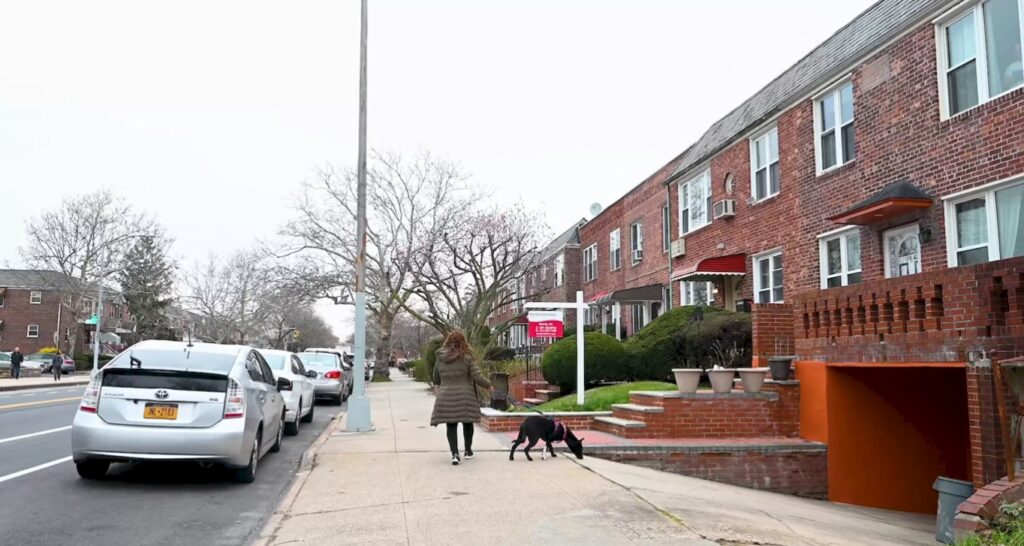
Auto Wrecker in Kew Gardens Hills, Queens, New York City
- We pay top dollar for all makes and models.
- Get the best price for your vehicle.
- We are the establishment who buys junk cars near me.
- We mostly schedule same day pickups.
- Free towing on all our purchases.
- Highly reviewed customer service staff.
- We have paid anywhere from $500 to $50,000 cash for vehicles.
- Call us for an instant quote.
- We have been recognized as one of the best places that buy junk automobiles.
- Our removal service is one of the highest rated in the city.
- No title, no problem. Call us we will get rid of your jalopy for good.
Kew Gardens Hills is a vibrant neighborhood located in the central part of Queens, New York City. Known for its diverse community, rich cultural life, and strong sense of local identity, Kew Gardens Hills offers a unique blend of residential tranquility and urban accessibility.
History
Kew Gardens Hills has a rich history that mirrors the broader development of Queens as it transitioned from rural farmland to a thriving urban community. Over the decades, Kew Gardens Hills has evolved from its early days of suburban expansion into a diverse and vibrant neighborhood, shaped by waves of immigration and community growth.
Early Development: 1930s and 1940s
In the 1930s and 1940s, Kew Gardens Hills was developed as part of a suburban expansion in Queens. The area, which was largely rural farmland, was transformed into a residential community designed to attract middle-class families seeking a suburban lifestyle. The construction of garden-style apartments and single-family homes during this era laid the foundation for the neighborhood’s future growth.
Post-War Growth: 1950s and 1960s
Following World War II, Kew Gardens Hills experienced significant population growth, as many returning veterans and their families moved to the area. This period saw the construction of more housing, including the development of co-op apartment buildings. The neighborhood’s infrastructure improved, with the addition of schools, parks, and commercial areas, further establishing Kew Gardens Hills as a desirable place to live.
Demographic Shifts: 1970s and 1980s
The 1970s and 1980s brought demographic changes to Kew Gardens Hills as new waves of immigrants, particularly from Jewish communities, began to settle in the area. This era saw the growth of the neighborhood’s Jewish institutions, including synagogues, yeshivas, and kosher businesses, which became central to the community’s identity. The neighborhood also became more diverse, with an increasing number of South Asian and Hispanic residents.
Modern Era: 1990s to Present
In the 1990s and beyond, Kew Gardens Hills continued to thrive as a diverse and dynamic neighborhood. The area has maintained its strong sense of community while adapting to the needs of its residents. The presence of Queens College has also played a significant role in the neighborhood’s cultural and educational life.
Today, Kew Gardens Hills is known for its multicultural population, vibrant community institutions, and its blend of residential charm and urban convenience.
Boundaries
The boundaries of Kew Gardens Hills, Queens, define a distinct neighborhood that sits comfortably within the larger landscape of central Queens. These boundaries are essential in understanding the neighborhood’s identity, separating it from adjacent areas while contributing to its unique character and sense of community.
Northern Boundary
The northern boundary of Kew Gardens Hills is typically considered to be the Long Island Expressway (LIE). This major highway not only acts as a physical divider between Kew Gardens Hills and neighborhoods to the north, such as Queensboro Hill, but also serves as a significant transportation route for residents.
Southern Boundary
Union Turnpike marks the southern boundary of Kew Gardens Hills. This thoroughfare separates the neighborhood from nearby areas such as Briarwood. Union Turnpike is also a vital commercial strip, providing access to local shops, restaurants, and services that cater to the community.
Eastern Boundary
On the eastern side, Kew Gardens Hills is bounded by Parsons Boulevard and Kissena Boulevard. These boulevards separate the neighborhood from Hillcrest and Pomonok. The eastern boundary is characterized by a blend of residential and commercial areas, contributing to the neighborhood’s bustling atmosphere.
Western Boundary
The western boundary of Kew Gardens Hills is generally defined by Flushing Meadows-Corona Park and the Van Wyck Expressway. This area is significant because it borders one of Queens’ largest and most famous parks, offering residents easy access to green space and recreational facilities.
Scenic Beauty
Kew Gardens Hills, Queens is a neighborhood that, despite its urban location, offers pockets of scenic beauty that contribute to its charm and appeal. The area’s well-kept parks, tree-lined streets, and proximity to ample green spaces make it a pleasant place to live and visit.
Tree-Lined Streets
One of the most charming aspects of Kew Gardens Hills is its tree-lined streets, which provide a canopy of greenery throughout the neighborhood. These streets create a peaceful setting, especially in spring and summer when the trees are in full bloom. The presence of mature trees and landscaped front yards adds to the neighborhood’s suburban feel within an urban setting.
Flushing Meadows-Corona Park
At the western edge of Kew Gardens Hills lies Flushing Meadows-Corona Park, a historic and iconic park in Queens. While it is technically outside the neighborhood’s official boundaries, its proximity allows residents easy access to its vast open spaces, lakes, and cultural landmarks. The park’s scenic beauty, combined with its recreational opportunities, makes it an important part of the Kew Gardens Hills experience.
Green spaces in nearby Cunningham Park
Just east of Kew Gardens Hills lies Cunningham Park, one of the largest and most scenic parks in Queens. Its proximity offers Kew Gardens Hills residents a natural retreat with its wide walking trails, picnic areas, and sports fields. The park’s wooded areas provide a sense of escape from the hustle and bustle of city life, making it a beloved location for outdoor activities.
Residential Gardens and Yards
Many homes in Kew Gardens Hills feature well-manicured lawns and gardens, contributing to the neighborhood’s overall aesthetic appeal. These private green spaces, often adorned with flowers, shrubs, and ornamental trees, enhance the area’s visual charm and reflect the pride residents take in maintaining their properties.
Recreational Activities
Kew Gardens Hills offers a variety of recreational activities for residents of all ages. The neighborhood’s and nearby parks, sports fields, playgrounds, and cultural centers provide ample opportunities for outdoor enjoyment and community engagement. These spaces play a vital role in the neighborhood’s social fabric, offering both physical activity and cultural enrichment.
Playgrounds and Play Areas
Kew Gardens Hills is home to several well-maintained playgrounds that are perfect for families with young children. Queens Valley Playground, located within the neighborhood, offers a variety of play structures, swings, and open spaces where children can run and explore. These playgrounds are an integral part of the community and serve as gathering places for parents and children alike.
Flushing Meadows-Corona Park
Adjacent to Kew Gardens Hills, Flushing Meadows-Corona Park offers additional recreational opportunities, including boating on Meadow Lake, playing tennis at the USTA Billie Jean King National Tennis Center, and visiting cultural institutions such as the Queens Museum. The park’s expansive lawns and scenic views make it a popular spot for picnics, kite flying, and other recreational activities.
Cunningham Park
Cunningham Park is a recreational hub close to Kew Gardens Hills. This vast green space features numerous sports fields, including baseball and soccer fields, which are frequently used for both organized leagues and casual games. The park’s extensive network of trails is popular for walking, jogging, and bicycling, providing a scenic escape within the urban environment.
Cultural and Arts Centers
For those interested in the arts, the nearby Queens College campus offers cultural enrichment through its theaters and arts centers. The Kupferberg Center for the Arts hosts a variety of performances, including concerts, theater productions, and dance performances. This cultural venue provides residents with access to high-quality entertainment and educational programs, further enhancing the recreational options available in Kew Gardens Hills.
Sports Leagues and Community Activities
Kew Gardens Hills also has a strong tradition of community sports leagues and recreational programs. Local youth soccer, baseball, and basketball leagues are popular and foster teamwork and community spirit. These activities, often organized through schools and community centers, provide structured recreation and contribute to the close-knit atmosphere of the neighborhood.
Local Economy and Major Business Areas
Kew Gardens Hills, Queens, boasts a robust local economy characterized by a mix of small businesses, retail shops, and service providers. The neighborhood’s commercial areas are integral to its economic vitality, providing residents with convenient access to goods and services while contributing to the overall vibrancy of the community.
Main Commercial Corridors
The main commercial corridors in Kew Gardens Hills are found along Union Turnpike and Main Street. These thoroughfares are lined with a variety of businesses, including grocery stores, pharmacies, restaurants, and specialty shops. Union Turnpike, in particular, is a bustling area where residents can find everything from daily necessities to unique local goods, making it a key economic hub for the neighborhood.
Local Dining and Retail
The neighborhood’s economy is bolstered by a diverse array of dining options, ranging from kosher eateries to international cuisines. These restaurants, many of which are family-owned, attract both locals and visitors, contributing to the area’s economic growth. Retail establishments, including clothing stores, electronics shops, and home goods stores, also play a significant role in supporting the local economy by meeting the everyday needs of residents.
Service Industry and Professional Services
Kew Gardens Hills is home to a variety of service-based businesses, including medical offices, legal firms, and financial services. These businesses are essential to the local economy, providing professional services that support the health and well-being of the community. Additionally, educational institutions like Queens College contribute to the service sector by creating jobs and attracting students who patronize local businesses.
Community and Economic Development
The ongoing development of Kew Gardens Hills’ business areas reflects a commitment to sustaining and enhancing the neighborhood’s economy. Community organizations and local business associations work together to promote economic growth, attract new businesses, and ensure that the area remains a vibrant and desirable place to live and work. This collaborative approach helps maintain a strong local economy that benefits all residents.
Main Thoroughfares and Public Transportation
Kew Gardens Hills, Queens, is a well-connected neighborhood with a network of major thoroughfares and public transportation options that make it accessible and convenient for residents and visitors. The area’s roadways and transit lines provide essential links to other parts of Queens and New York City, supporting both daily commuting and local travel.
Major thoroughfares
Union Turnpike:
Union Turnpike is one of the major thoroughfares in Kew Gardens Hills, serving as a central artery for traffic and commerce. This wide, busy road is lined with shops, restaurants, and service providers, making it a vital commercial corridor. Union Turnpike also provides direct access to major highways like the Grand Central Parkway, connecting the neighborhood to other parts of Queens and beyond.
Main Street:
Main Street is another key thoroughfare in Kew Gardens Hills, extending north into Flushing and south toward Jamaica. It is one of the most heavily trafficked roads in the area, offering a diverse array of retail stores, eateries, and community services. Main Street is not only a commercial hub but also an important transit route, with several bus lines operating along its length.
Public transportation
Bus Lines:
Kew Gardens Hills is well-served by a network of bus lines, making it easy for residents to navigate the neighborhood and travel to other parts of Queens:
- The Q44 Select Bus Service (SBS) runs along Main Street, providing a direct and efficient route to Flushing and the Bronx.
- The Q46 bus operates along Union Turnpike, offering connections to the E and F subway lines at Kew Gardens–Union Turnpike Station.
- The Q20 and Q25 buses, also serve the neighborhood, ensuring comprehensive coverage of the area.
Subway and train lines:
While Kew Gardens Hills does not have its own subway station, residents can easily access the E and F trains at the nearby Kew Gardens–Union Turnpike Station. This station is a major transit hub that connects commuters to Manhattan, Brooklyn, and other parts of Queens.
Railway lines:
The Long Island Rail Road (LIRR) also has a station in Kew Gardens, offering another option for those traveling to Manhattan or Long Island.
Bike lanes
Kew Gardens Hills has seen increasing efforts to improve cycling infrastructure, although bike lanes are still limited in the area. Some stretches of Union Turnpike and Main Street have designated bike lanes or shared lanes, but the neighborhood is generally not known for extensive cycling infrastructure.
However, nearby parks like Cunningham Park and Flushing Meadows-Corona Park provide cyclists with scenic routes that are popular for both recreational and commuting purposes.
Demographics
Kew Gardens Hills is a diverse and dynamic neighborhood with a population that reflects the multicultural character of New York City. The area is home to a wide range of residents, varying in ethnicity, age, and socioeconomic status, creating a vibrant community with a strong sense of identity.
Population Diversity
Kew Gardens Hills is known for its diverse population, with a significant presence of Jewish communities, including both Ashkenazi and Sephardic traditions. In addition to the Jewish population, the neighborhood is home to growing South Asian, Hispanic, and African American communities, contributing to its rich cultural tapestry.
This diversity is evident in the variety of religious institutions, cultural centers, and businesses that cater to the neighborhood’s multicultural residents.
Age Distribution and Family Structure
The population of Kew Gardens Hills spans a broad age range, with a mix of young families, working professionals, and elderly residents. The neighborhood’s family-oriented nature is reflected in the presence of many multi-generational households, as well as a significant number of children and teenagers. This demographic mix creates a vibrant community atmosphere, with schools, parks, and community centers playing central roles in neighborhood life.
Education Levels
Education is highly valued in Kew Gardens Hills, as evidenced by the neighborhood’s numerous schools and proximity to Queens College. The residents of Kew Gardens Hills tend to have higher-than-average education levels, with a substantial proportion of the population holding college degrees. The neighborhood’s emphasis on education is also reflected in the availability of various educational institutions, including public schools, private schools, and yeshivas.
Income Levels
The income levels in Kew Gardens Hills vary, reflecting the socioeconomic diversity of the neighborhood. While there is a mix of middle-class and upper-middle-class households, the area also includes a range of income levels, from lower-income families to more affluent residents. This economic diversity is mirrored in the variety of housing options available, from modest apartments to larger single-family homes, providing choices that cater to different financial situations.
Types of Households
Kew Gardens Hills features a mix of household types, including single-family homes, co-op apartments, and rental units. Many households are multi-generational, with extended families living together under one roof. The neighborhood also has a significant number of young families, as well as elderly residents, contributing to its reputation as a family-friendly and community-oriented area.
Crime
Kew Gardens Hills, Queens, is generally considered a safe and peaceful neighborhood, with crime rates that are lower than those in many other parts of New York City. The area’s reputation for safety contributes to its appeal as a desirable place to live, attracting families and individuals seeking a secure environment.
Overall Crime Rates
The crime rates in Kew Gardens Hills are relatively low, particularly in comparison to more densely populated and urbanized areas of Queens. The neighborhood experiences occasional incidents, primarily related to property crimes such as theft and burglary, but violent crime is rare. The community’s strong sense of local identity and active neighborhood watch programs play a role in maintaining safety.
Police Precinct
The 107th Precinct of the New York City Police Department (NYPD) is responsible for patrolling and ensuring the safety of Kew Gardens Hills. The precinct, located nearby in Fresh Meadows, covers a broad area that includes Kew Gardens Hills, and officers from this precinct are known for their proactive approach to community policing. Their presence and engagement with residents help maintain the neighborhood’s low crime rates.
Community Involvement
Community involvement is a key factor in keeping crime low in Kew Gardens Hills. Local residents are active in neighborhood associations and community boards, working closely with law enforcement to address any safety concerns. This collaboration between the community and the police ensures that issues are quickly identified and resolved, contributing to the overall sense of security in the area.
Amenities
Kew Gardens Hills offers a wide range of amenities and services that meet the needs of its diverse population. The neighborhood is well-equipped with everything from shopping centers and dining options to healthcare facilities and recreational spaces, ensuring that residents have access to all the essentials for a comfortable and fulfilling lifestyle.
Shopping and Retail
Kew Gardens Hills features numerous shopping options, with a variety of retail stores conveniently located along major thoroughfares such as Union Turnpike and Main Street. Residents can find everything they need within the neighborhood, from grocery stores and pharmacies to boutique shops and specialty stores. The availability of large chain stores and small independent retailers contributes to the area’s vibrant commercial landscape.
Dining
The neighborhood features a wide variety of dining options, reflecting the multicultural nature of its population. Residents can enjoy a variety of cuisines, including kosher, Middle Eastern, South Asian, and Italian, among others. The numerous family-friendly restaurants and cafes create a lively dining atmosphere, where locals and visitors alike can savor traditional and contemporary dishes.
Healthcare Services
Kew Gardens Hills boasts a wide variety of healthcare providers, ensuring that residents have access to quality healthcare. The neighborhood is home to several medical clinics, dental offices, and pharmacies. Additionally, proximity to major hospitals in nearby neighborhoods, such as NewYork-Presbyterian Queens in Flushing, gives residents easy access to specialized medical services.
Recreational Facilities
The neighborhood offers ample recreational facilities, including parks, playgrounds, and sports fields. Cunningham Park, located to the east, and Flushing Meadows Corona Park located to the west of Kew Gardens Hills, offer ample green spaces for outdoor activities, while local playgrounds cater to families with young children. These amenities are essential to promoting a healthy and active lifestyle among residents.
Educational Institutions
Kew Gardens Hills is home to several highly regarded educational institutions, including public schools, private schools, and religious schools. The neighborhood’s proximity to Queens College also enhances its educational offering, giving residents access to higher education and cultural events. These institutions contribute to the strong sense of community and emphasis on education that characterizes the neighborhood.
Community Engagement
Community engagement plays a crucial role in the development and well-being of Kew Gardens Hills, Queens. The residents of this neighborhood are known for their active participation in local initiatives, working together to enhance the quality of life and ensure the area’s continued growth and safety. This strong sense of community is a defining feature of Kew Gardens Hills.
Neighborhood Associations
Kew Gardens Hills has several neighborhood associations that actively work to address local issues and foster community spirit. These organizations often host events, meetings, and initiatives aimed at improving the neighborhood, such as clean-up drives, safety workshops, and social gatherings. Their efforts help maintain the area’s appeal and ensure that residents have a voice in local decision-making.
Kew Gardens Hills Civic Association:
One of the most prominent organizations is the Kew Gardens Hills Civic Association. This group actively advocates for the community on various issues, including zoning, traffic safety, and public services. The association frequently organizes meetings, invites guest speakers, and engages with local government officials to ensure that the needs and concerns of Kew Gardens
Religious and Cultural Institutions
The neighborhood’s religious and cultural institutions also play a significant role in community engagement. Synagogues, mosques, and community centers often organize charitable activities, educational programs, and cultural events that bring residents together. These institutions serve as hubs of social interaction and support, strengthening the bonds between neighbors and fostering a sense of belonging.
Youth Programs and Volunteering
Kew Gardens Hills is home to numerous youth programs that encourage young residents to get involved in the community. Local schools, religious institutions, and community centers offer volunteering opportunities, sports leagues, and educational programs that promote civic engagement from a young age. These programs help instill a sense of responsibility and community pride in the next generation.
Collaboration with Local Government
Residents of Kew Gardens Hills frequently collaborate with local government representatives to address community needs and concerns. Through public forums, town hall meetings, and direct communication with elected officials, the community ensures that their voices are heard and that local policies reflect the neighborhood’s interests.
This collaboration has led to improvements in infrastructure, safety, and public services, demonstrating the power of community involvement.
Schools and Colleges
Kew Gardens Hills, Queens, is a neighborhood that places a strong emphasis on education, offering a variety of public and private schools, as well as higher education institutions. The area’s schools are known for their commitment to academic excellence, serving a diverse student population with a range of educational needs and interests.
Public Schools
Kew Gardens Hills is served by several public schools that are part of New York City’s Department of Education:
P.S. 164 Queens Valley School of the Arts:
P.S. 164 Queens Valley School of the Arts is one of the most prominent public schools in the neighborhood, offering a strong arts-focused curriculum alongside traditional academic subjects. The school is known for its vibrant arts programs, including visual arts, music, and theater, which attract students with a passion for creativity.
P.S. 219 Paul Klapper School:
P.S. 219 Paul Klapper School, which serves students from Pre-K through 5th grade. This school is recognized for its dedicated staff and strong community involvement, fostering a nurturing environment where students can thrive academically and socially. The school’s commitment to academic excellence is complemented by a range of extracurricular activities that support student development.
Townsend Harris High School:
Townsend Harris High School, located near Kew Gardens Hills, is one of New York City’s top public high schools, renowned for its rigorous academic programs and emphasis on humanities and the arts. The school consistently ranks among the best in the city and attracts a diverse student body from across Queens and beyond. Known for its challenging curriculum and high standards, Townsend Harris prepares students for success in higher education and future careers.
Private Schools
Kew Gardens Hills is home to a number of private schools, many of which are affiliated with the neighborhood’s religious institutions:
Stepping Stone Day School:
Stepping Stone Day School is a private preschool and early childhood education center in Kew Gardens Hills. The school offers programs designed to meet the developmental needs of young children, including those with special needs. Stepping Stone Day School focuses on creating a nurturing and inclusive environment where children can develop foundational skills in a supportive and engaging setting.
The school’s commitment to individualized learning helps ensure that each child reaches their full potential.
Yeshiva of Central Queens:
Yeshiva of Central Queens is a well-known private Jewish day school that provides both secular and religious education to its students. The school emphasizes strong academic achievement while also instilling a deep understanding of Jewish traditions and values.
Bais Yaakov Academy of Queens:
Bais Yaakov Academy of Queens, located in Kew Gardens, a girls’ school that offers a rigorous academic curriculum alongside religious studies. The school is highly regarded for its focus on developing both the intellectual and moral character of its students, preparing them for future success in higher education and beyond.
Colleges
Queens College:
Kew Gardens Hills is also home to Queens College, one of the senior colleges of the City University of New York (CUNY). Located on a picturesque campus along Kissena Boulevard, Queens College offers a wide range of undergraduate and graduate programs across various disciplines. The college is known for its strong liberal arts curriculum, diverse student body, and vibrant campus life, making it a cornerstone of higher education in the area.
Queens College’s Kupferberg Center for the Arts also serves as a cultural hub for the community, offering performances, exhibitions, and educational programs that enrich the cultural life of Kew Gardens Hills. The college’s commitment to academic excellence and community engagement makes it an integral part of the neighborhood’s educational landscape.
Lander College for Men:
Lander College for Men, part of Touro College, is a private institution located in Kew Gardens Hills. This college offers a rigorous academic environment with a strong emphasis on Jewish studies alongside traditional college courses. Lander College for Men provides students with the opportunity to pursue higher education while maintaining a commitment to religious observance, making it a unique and important educational institution in the neighborhood.
Cultural Offering
From arts performances to religious and educational events, Kew Gardens Hills provides residents with numerous opportunities to engage in enriching cultural experiences.
Kupferberg Center for the Arts
The Kupferberg Center for the Arts at Queens College is a cultural hub for the neighborhood, offering a wide range of performances, including music, theater, and dance. The center hosts both local and international artists, providing residents with access to high-quality cultural programming. Its events cater to all ages, making it a vital part of the cultural landscape in Kew Gardens Hills.
Religious and Cultural Festivals
Kew Gardens Hills is home to a number of religious and cultural festivals that celebrate the neighborhood’s diversity. Jewish holidays such as Purim and Hanukkah are marked by community events and celebrations, often organized by local synagogues. Additionally, the neighborhood’s growing South Asian community brings vibrant festivals like Diwali to the area, contributing to the multicultural tapestry of Kew Gardens Hills.
Educational Lectures and Workshops
Educational institutions and religious organizations in Kew Gardens Hills frequently host lectures, workshops, and cultural events that enrich the community. These events cover a wide range of topics, from religious studies and history to art and literature. They provide residents with opportunities to learn, engage with new ideas, and connect with others who share similar interests.
Community Arts and Crafts
Local community centers and cultural groups often organize arts and crafts workshops, fostering creativity and providing residents with a hands-on cultural experience. These workshops are popular among both children and adults, offering a fun and interactive way to engage with the arts. The community’s emphasis on creativity and cultural expression is evident in these accessible and inclusive events.
Holidays, Cultural Festivals and Fairs
Kew Gardens Hills, Queens, is a neighborhood that prides itself on its rich cultural and religious diversity, which is beautifully reflected in its celebrations throughout the year. The community comes together to celebrate a variety of holidays and festivals, each bringing its unique traditions and festivities to the area.
Holidays
Rosh Hashanah:
Rosh Hashanah, the Jewish New Year, is celebrated in Kew Gardens Hills in early fall, usually in September or October. This holiday is celebrated with synagogue services, festive meals, and the blowing of the shofar (a ram’s horn). The community gathers to reflect on the past year and welcome the new with hope and prayer. Many families in the neighborhood host special meals, with traditional foods such as apples dipped in honey, symbolizing the wish for a sweet new year.
Christmas:
The Christian community of Kew Gardens Hills celebrates Christmas on December 25. The holiday is marked by church services, family gatherings, and festive decorations. Many neighborhood homes and churches are beautifully adorned with lights, Christmas trees, and nativity scenes. The holiday season is also a time for charity and giving, and many local organizations organize toy drives and other charitable activities to help those in need.
Passover:
Passover, another important Jewish holiday, typically falls in the spring, in March or April. It commemorates the Exodus of the Israelites from Egypt and is celebrated with a special meal called a Seder, which includes the reading of the Haggadah and the eating of symbolic foods. In Kew Gardens Hills, many families celebrate Seders in their homes, and local synagogues often host community meals.
The holiday period also involves abstaining from eating leavened bread, which is replaced with matzah.
Cultural festivals and fairs
Diwali:
Diwali, the Hindu festival of lights, is celebrated by the South Asian community in Kew Gardens Hills in October or November. The holiday symbolizes the victory of light over darkness and good over evil. Homes and temples are adorned with oil lamps, candles, and colorful decorations. Families gather to perform religious rituals, exchange sweets, and enjoy festive meals. Community events often include cultural performances, music, and fireworks, adding to the joyous atmosphere.
Hanukkah Celebrations:
Hanukkah, the Jewish Festival of Lights, typically occurs in December and is one of the most widely celebrated holidays in Kew Gardens Hills. The holiday commemorates the rededication of the Second Temple in Jerusalem and is celebrated by lighting the menorah, playing traditional games such as dreidel, and eating foods fried in oil, such as latkes and sufganiyot (jam doughnuts). Public menorah lightings and community events bring residents together to share in the festive spirit.
Purim Carnival:
The Purim Carnival is one of the most festive cultural events celebrated in Kew Gardens Hills, usually taking place in March. This Jewish holiday is marked by joyful celebrations, including costume parades, music, and games. Local synagogues and community centers organize carnivals with rides, booths, and entertainment, creating a vibrant atmosphere that brings together families and friends.
Queens College Cultural Festivals:
Queens College, located in Kew Gardens Hills, hosts a variety of cultural festivals throughout the year that are open to the community. These festivals showcase the diverse cultures represented in the student body, featuring performances, food, and art from around the world. Events such as International Day and the Multicultural Festival offer residents a chance to experience global traditions and celebrate the neighborhood’s diversity.
Spring and Fall Street Fairs:
The Spring and Fall Street Fairs in Kew Gardens Hills are popular community events that bring residents together for a day of shopping, entertainment, and food. Local vendors set up stalls along major thoroughfares, offering everything from handmade crafts to fresh produce. Live music, dance performances, and children’s activities add to the festive atmosphere, making these fairs a cherished tradition in the neighborhood.
Restaurants
From kosher eateries to international cuisine, the area boasts a variety of dining options that cater to all tastes and preferences. Whether you’re looking for a quick bite or a sit-down meal, the neighborhood and its surrounding areas provide an array of choices.
Bagels & Co.:
For a taste of classic New York bagels, Bagels & Co. in Kew Gardens Hills is the go-to spot. This beloved eatery offers freshly baked bagels with a variety of spreads, sandwiches, and breakfast options. The quality of the bagels, combined with the friendly service, makes it a staple for residents looking for a satisfying meal any time of day.
Grill Point:
Grill Point is another top-rated restaurant in the neighborhood, known for its authentic Israeli cuisine. The menu features a variety of grilled meats, salads, and pita sandwiches, all made with fresh ingredients. The restaurant’s casual setting and delicious food have earned it a loyal following, making it a must-visit for those craving Middle Eastern flavors.
Pita Hot:
Pita Hot offers a delightful mix of Mediterranean and Middle Eastern dishes, with a focus on fresh, healthy ingredients. The menu includes a range of options, from hearty kebabs to vegetarian-friendly falafel platters. The restaurant’s relaxed atmosphere and flavorful dishes make it a popular spot for both dine-in and takeout.
Simcha Palace Glatt:
Simcha Palace Glatt is a well-known kosher restaurant in Kew Gardens Hills, specializing in traditional Jewish cuisine. The restaurant is popular for its elegant setting and extensive menu, offering everything from classic deli sandwiches to full-course meals. Simcha Palace is often chosen for special occasions and family gatherings, thanks to its high standards of kosher food preparation and warm hospitality.
Annie’s Kitchen:
Annie’s Kitchen is a cozy neighborhood spot in Kew Gardens Hills, known for its homemade-style cooking. The restaurant offers a diverse menu that includes hearty breakfast options, comforting lunch dishes, and satisfying dinners. The welcoming atmosphere and friendly service make Annie’s Kitchen a favorite among locals for a casual, home-cooked meal.
Trattoria by Pier 26:
Trattoria by Pier 26 brings a taste of Italy to Kew Gardens Hills with its authentic Italian cuisine. The menu features a variety of pasta dishes, wood-fired pizzas, and classic Italian entrees, all prepared with fresh ingredients. The restaurant’s charming ambiance and attentive service make it a great choice for a relaxed dinner or a special night out.
Mama Kitchen:
Mama Kitchen is another popular kosher restaurant in Kew Gardens Hills, offering a blend of Mediterranean and Middle Eastern dishes. The menu includes a variety of options, from shawarma and kebabs to fresh salads and vegetarian dishes. Mama Kitchen is known for its flavorful food, generous portions, and warm, inviting atmosphere.
The Upper Crust:
The Upper Crust is a bakery and cafe in Kew Gardens Hills that specializes in freshly baked goods and light fare. The menu includes a wide selection of pastries, sandwiches, and coffee, making it a perfect spot for breakfast or a quick snack. The Upper Crust is particularly popular for its artisanal breads and cakes, which are made fresh daily.
Mira Sushi:
Mira Sushi offers a contemporary take on Japanese cuisine in Kew Gardens Hills. The menu features a wide array of sushi rolls, sashimi, and Japanese-inspired dishes, all prepared with a modern twist. The sleek, stylish setting and innovative menu make Mira Sushi a top choice for sushi lovers looking for something a bit different.
Nearby Restaurants
Il Poeta:
Il Poeta, located in Forest Hills, is an Italian restaurant known for its elegant atmosphere and expertly crafted dishes. The menu features a range of classic Italian fare, from fresh pasta to expertly grilled meats, all prepared with a focus on quality and authenticity. It’s a perfect spot for a romantic dinner or a special celebration, just a short distance from Kew Gardens Hills.
Cabana:
Cabana, located nearby in Forest Hills, brings the vibrant flavors of Latin American cuisine to the area. The menu includes a variety of dishes from across the Caribbean and South America, such as empanadas, mofongo, and grilled meats. Cabana is known for its lively atmosphere, colorful decor, and delicious, authentic food.
Tu Casa:
Tu Casa, located in Forest Hills, is a popular spot for Peruvian and Latin American cuisine. The menu features a range of dishes, including rotisserie chicken, ceviche, and arroz chaufa, all prepared with bold, authentic flavors. Tu Casa is known for its hearty portions, friendly service, and vibrant atmosphere, making it a go-to spot for a flavorful meal.
Learn more about Ozone Park, the location of our dispatch center, by visiting Carmula.com
Contact us for a free quote
Fill out the form below, so we could give you an instant quote on the price of you unwanted car.